
Corporate thank you gifts for employees: 2026 guide

Corporate thank you gifts are defined as tangible tokens of appreciation given by businesses to employees, clients, or team members to reinforce relationships and express genuine gratitude. The right gift does far more than mark an occasion. It communicates brand values while validating the specific contributions of the person receiving it. Whether you are an HR manager planning a quarterly recognition programme or a team leader thanking a colleague for exceptional effort, choosing the right business appreciation gift shapes how people feel about where they work.
What are corporate thank you gifts and why do they matter?
Corporate thank you gifts are a form of non-verbal business communication. They go beyond the transactional to become meaningful relationship tools that reinforce loyalty, belonging, and motivation. A well-chosen gift tells an employee or client that their contribution has been seen and genuinely valued.
The range of options is broad. Gifts span from artisan items like engraved glassware and luxury textiles, to branded tech accessories, to curated food and drink hampers. Corporate gifting budgets range from £20 appreciation tokens to £5,000 incentive packages, which reflects just how seriously leading organisations treat this practice. That range is not arbitrary. It maps directly to the recipient’s relationship with the business and the milestone being recognised.

For HR managers, a structured gifting approach also reduces the risk of inconsistency. When one team receives a thoughtful, personalised gift box and another receives a generic branded pen, the gap in perceived value is felt immediately. Getting this right matters for morale, retention, and culture.
How do you segment recipients and set gift budgets?
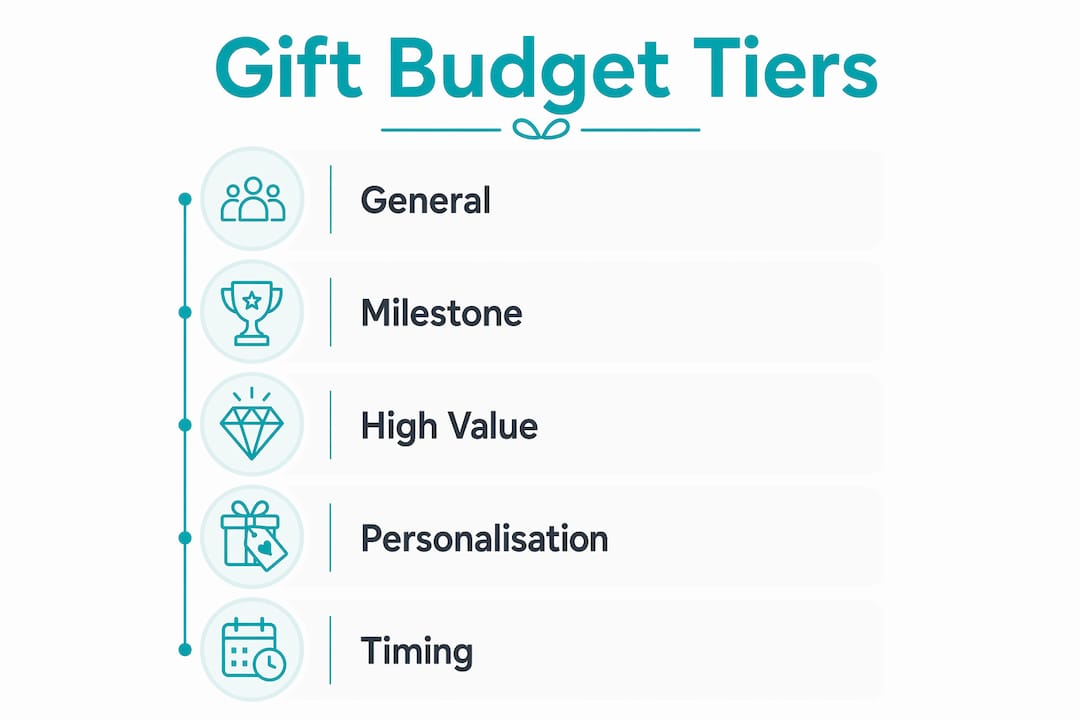
Audience segmentation is the foundation of any effective corporate gifts programme. Not every recipient warrants the same level of investment, and that is not a reflection of their worth. It is a practical framework that allows you to allocate budgets effectively while still making every person feel genuinely appreciated.
The three core recipient groups are general employees, milestone achievers, and high-value clients. Each group calls for a different budget tier and gift type.
Recipient Group | Suggested Budget | Recommended Gift Types |
General employees (wide list) | £25–£50 | Letterbox gifts, sweet hampers, branded notebooks |
Milestone achievers (mid-tier) | £50–£150 | Curated gift boxes, premium food hampers, experience vouchers |
High-value clients or senior staff | £150–£500 | Luxury hampers, artisan sets, personalised keepsakes |
This tiered approach keeps your gifting programme cost-effective without sacrificing thoughtfulness. A £30 letterbox gift, beautifully packaged with a handwritten note, can create a stronger impression than a £100 generic basket with no personal touch.
Pro Tip: Set your budget tiers at the start of each financial year and link them to your HR calendar. This prevents last-minute overspending and gives procurement teams time to negotiate vendor agreements.
What types of corporate thank you gifts are most effective?
The most effective corporate gifts for employees combine quality, personalisation, and relevance to the recipient. Timeless artisan items such as engraved glassware, hand-stitched leather goods, and quality textiles convey permanence in a way that mass-produced items simply cannot. They signal that the giver invested thought, not just money.
Here is a breakdown of the main gift categories, with honest observations on each:
Artisan and personalised items (engraved glass, embroidered textiles, custom star naming): Pros: memorable, high perceived value, create lasting memories. Cons: longer lead times, higher unit cost.
Branded tech accessories (wireless chargers, quality earbuds, desk organisers): Pros: practical, used daily, reinforces brand visibility. Cons: can feel impersonal if not personalised.
Experience gifts (cookery workshops, spa vouchers, curated subscriptions): Pros: unique, sparks conversations, suits recipients who prefer experiences over objects. Cons: harder to deliver at scale.
Food and drink hampers (fine wines, luxury chocolates, artisan snacks): Pros: universally appreciated, easy to personalise with dietary options, branded items enhance visibility. Cons: perishable, requires careful timing.
Professional gift baskets (stationery sets, wellness products, premium teas): Pros: broad appeal, easy to curate by theme. Cons: can feel generic without a personal element.
Personalisation is the single factor that elevates any of these categories. Adding a recipient’s name, a meaningful date, or a short personal message transforms a good gift into one that creates a genuine emotional connection. You can explore creative gifting approaches that go beyond the standard options if you want to stand out further.
Pro Tip: For team members with dietary requirements or cultural preferences, curated vegan hampers or allergen-free gift boxes show a level of care that generic gifts never can.
When should you send corporate thank you gifts?
Timing is as important as the gift itself. Personalisation, timely delivery, and professional packaging are the three factors that most directly influence how a gift is received. Get the timing wrong and even the most thoughtful gift loses its impact.
Follow these steps to get your timing right every time:
Build a gifting calendar at the start of the year. Map out service anniversaries, project completions, quarterly recognition windows, and seasonal occasions. This prevents reactive, last-minute gifting.
Target early December for holiday gifts. Gifts arriving 1–5 December land before the festive rush, when recipients are present and attentive. Late December deliveries often go unnoticed.
Frame seasonal gifts inclusively. Use secular language like “Season’s Greetings” or “Year-End Appreciation” rather than holiday-specific messaging. This respects diverse cultural backgrounds across your team.
Match the gift moment to the milestone. A service anniversary gift sent a week late feels like an afterthought. Set automated reminders in your HR system for key dates.
Invest in professional packaging. A gift that arrives in a beautifully branded box with tissue paper and a handwritten card creates a moment. That moment is what people remember and share with colleagues.
Include a personal note every time. Even three sentences written specifically for the recipient add more warmth than any premium product can on its own.
How do you build a corporate gifting programme that lasts?
A one-off gift is a gesture. A structured gifting programme is a high-ROI relationship investment that compounds over time. The difference lies in having a repeatable system rather than relying on individual managers to remember and act.
The first step is establishing a vendor master agreement. Working with a single trusted supplier gives you consistent quality, brand alignment, and often better pricing at volume. It also removes the administrative burden of sourcing gifts ad hoc. You can read more about structuring a gift programme around key business events and anniversaries for a practical starting point.
The second decision is whether to manage gifting in-house or outsource it. Both approaches have merit, and the right choice depends on your team’s capacity and the scale of your programme.
Approach | Advantages | Considerations |
In-house gifting | Full control over personalisation and brand; direct relationship with recipients | Time-intensive; requires storage, packaging, and logistics management |
Outsourced gifting | Scalable, professionally packaged, less admin burden | Requires a trusted vendor; less direct personalisation without briefing |
For most HR teams managing more than 50 recipients, outsourcing to a specialist provider is the more practical choice. The key is briefing your vendor thoroughly on your brand values, recipient preferences, and budget tiers so the output feels personal rather than generic.
Track every gifting cycle in a shared document or HR platform. Record what was sent, to whom, at what cost, and any feedback received. This data shapes better decisions in the next cycle and prevents the awkward situation of sending the same gift to the same person twice.
What mistakes should you avoid with business appreciation gifts?
The most common gifting mistakes are not about budget. They are about thoughtfulness, or the lack of it. Generic swag, poor timing, and a complete absence of personalisation are the three errors that turn a well-intentioned gesture into a forgettable one.
Generic branded merchandise with no personal touch. A branded tote bag or cheap pen set signals minimal effort. Quality craftsmanship always outperforms quantity of items.
Pro Tip: If you are sending branded items, choose ones people actually use daily, such as quality insulated mugs, premium notebooks, or custom apparel from a reputable supplier like Jam 4 Apparel. Branded items that sit in a drawer do nothing for morale or visibility.
Ignoring dietary, cultural, or personal preferences. Sending a wine hamper to someone who does not drink, or a food gift without checking for allergies, communicates carelessness rather than care.
Overly extravagant gifts that create discomfort. A £500 gift to a junior employee can feel inappropriate and create awkwardness rather than appreciation. Match the gift to the relationship and the milestone.
Sending gifts without any accompanying message. A gift without context is just a package. A short, specific note that references what the person did and why it mattered transforms the experience entirely.
The best corporate gift ideas share one quality: they make the recipient feel seen as an individual, not as a line item in a budget spreadsheet. You can find further guidance on choosing the right employee gift to match your company values and team culture.
Key takeaways
Effective corporate thank you gifts require audience segmentation, tiered budgets, thoughtful personalisation, and precise timing to create genuine appreciation and lasting impact.
Point | Details |
Segment your recipients | Use three tiers: general employees, milestone achievers, and high-value clients, each with a matched budget. |
Personalisation drives impact | A named, specific gift with a handwritten note outperforms any generic item regardless of price. |
Time gifts strategically | Target early December for holiday gifts and build a year-round gifting calendar linked to key milestones. |
Choose quality over quantity | Artisan and curated gifts create lasting memories; mass-produced swag is quickly forgotten. |
Build a repeatable system | A vendor agreement, gifting calendar, and tracking process turns one-off gestures into a consistent programme. |
Why thoughtful gifting is the most underrated HR tool
I have seen gifting programmes done brilliantly and I have seen them done in ways that actively damage morale. The difference is almost never about budget. It is about whether the person who chose the gift actually thought about the recipient.
The organisations that get this right treat gifting as a communication tool, not a compliance exercise. They brief their teams, maintain a gifting calendar, and choose suppliers who understand brand alignment. The ones that get it wrong send the same branded pen set to every employee in december and wonder why nobody mentions it.
What I find most telling is the reaction when a gift lands well. People share it. They photograph it. They mention it in team meetings. A beautifully curated gift box, personalised and timed well, does more for belonging and motivation than most formal recognition programmes I have encountered.
My honest recommendation: start small and do it properly. A £35 letterbox gift sent at exactly the right moment, with a specific handwritten note, will be remembered long after a £150 generic hamper sent without thought. Invest in the process as much as the product, and your gifting programme will become one of the most talked-about parts of your employee experience.
— Craig
Ready to send corporate thank you gifts your team will love?
Sayheygifting makes it straightforward to send beautifully curated, professionally packaged gifts that reflect your brand and genuinely delight recipients. Whether you need employee gift boxes for a wide team or bespoke options for high-value clients, the range covers every budget tier and occasion.
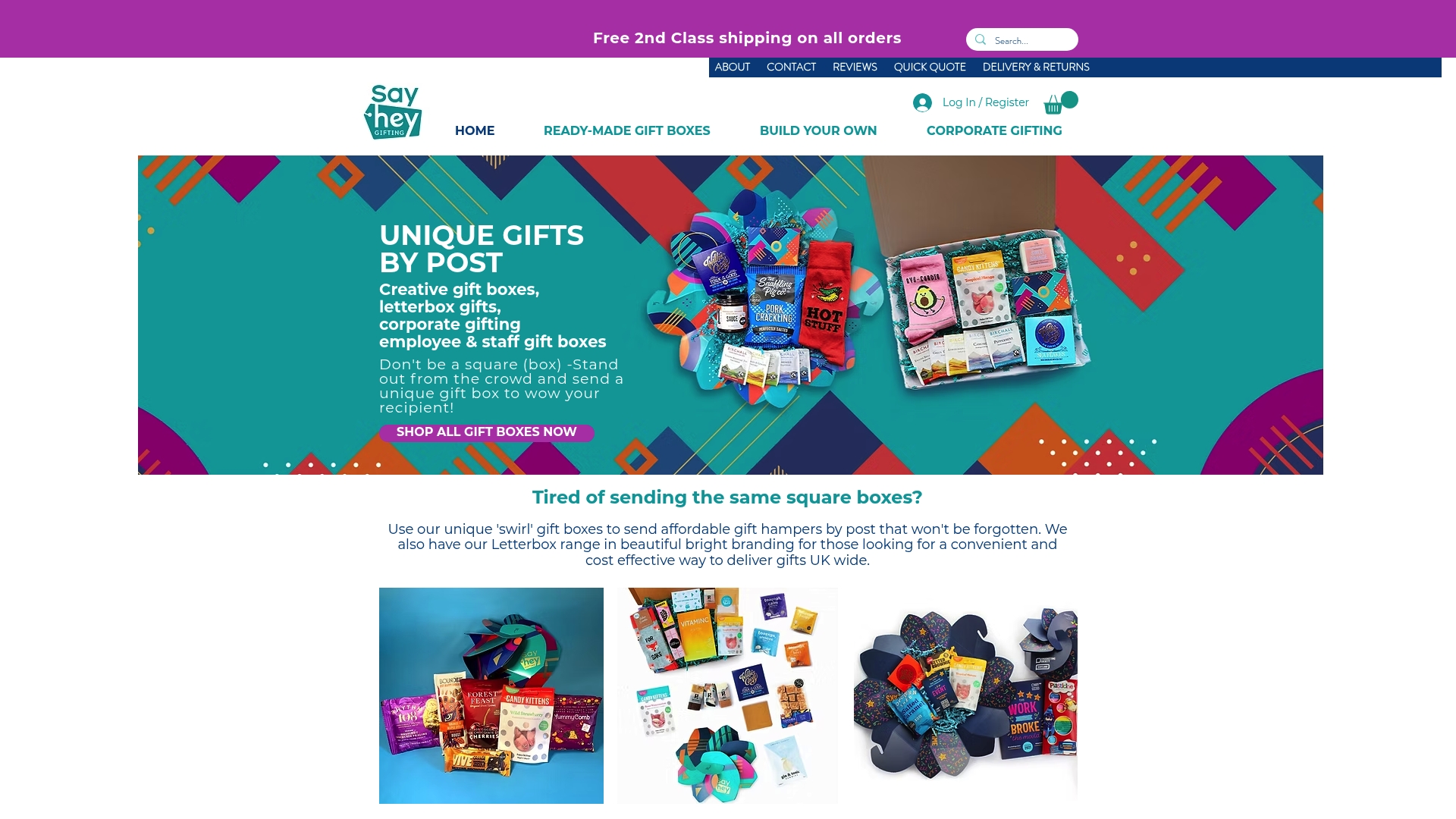
Every gift can be personalised with your branding, a handwritten note, and thoughtful product curation. Sayheygifting handles the packaging, presentation, and delivery so your team feels the appreciation without the admin burden. Explore the full range of corporate gifting options and find the right fit for your next recognition moment.
FAQ
What are corporate thank you gifts?
Corporate thank you gifts are physical tokens of appreciation given by businesses to employees, clients, or team members to recognise contributions and strengthen professional relationships. They function as non-verbal communication that reinforces brand values and genuine gratitude.
How much should you spend on corporate gifts for employees?
A tiered budget works best: £25–£50 for general employees, £50–£150 for milestone achievers, and £150–£500 for high-value recipients or senior staff. The key is matching the investment to the relationship and the occasion, not simply spending more.
When is the best time to send corporate thank you gifts?
Early December is the most effective window for holiday gifts, as timely arrival before the festive rush significantly improves impact. For other occasions, gifts should be sent within one week of the milestone or achievement being recognised.
Does personalisation really make a difference to corporate gifts?
Personalisation is the single most effective way to increase the perceived value of any gift. Adding a recipient’s name, a specific message, or a reference to their achievement transforms a standard item into a memorable experience that builds genuine loyalty.
What types of gifts work best for large employee teams?
Letterbox gifts, curated hampers, and professional gift baskets work well at scale because they are easy to dispatch, universally appreciated, and simple to personalise with a note or branded packaging. Dietary-friendly options such as vegan hampers also show inclusive care across diverse teams.
Recommended
Comments