
Corporate Unboxing Experience: How to Make Staff Gifts Memorable

A corporate unboxing experience is everything your employee sees, touches and feels between the parcel arriving and the gift being enjoyed: the outer carton, the first glimpse inside, the message, the order things are revealed and how easy it is all to open. Get it right and a modest gift feels like genuine recognition. Get it wrong and even a lovely product feels like an afterthought. The good news is that most of the impact comes from a handful of thoughtful decisions, not a big budget.
TL;DR
Think in moments, not materials. Plan the arrival, the first look, the reveal and the keep-or-reuse stage as one journey.
Separate transit from presentation. Let a sturdy outer carton take the knocks so the inner box looks perfect when it is opened.
Personal beats expensive. A named, handwritten-feeling note and company branding make a gift feel chosen, not bulk-bought.
Make opening easy. Clear opening points, readable cards and labelled items keep the moment smooth for everyone.
Spend where people notice. Put budget into the first view and the message, then trim what nobody sees.
Table of Contents
What a corporate unboxing experience really involves
We usually think of unboxing as a consumer trend, but it matters just as much when the sender is an employer. HR guidance from Eddy describes unboxing in the workplace as setting up someone’s first experiences so they feel warm anticipation, and links it with engagement and a sense of being valued.
In practice, a corporate unboxing experience has five stages:
Arrival. The parcel lands at home or at the desk. Is the outer packaging tidy, and does it look like something nice is inside?
First look. The lid or flap comes off. This is the moment that sets the emotional tone.
The reveal. Items appear in a deliberate order, with the message or card usually first.
Use. The person tastes, wears, reads or uses what is inside.
Afterlife. The box is kept, reused or recycled. A box worth keeping keeps your company in view for longer.
Each stage is a chance to say “we thought about you”. It is rarely about luxury. A neat box with a few well-chosen items and a sincere note often does more than a lavish one with nothing personal in it.
Why it matters for employee gifts
A gift to a colleague is a message wrapped in a product. People remember how it made them feel long after the contents are gone. That is why the presentation counts as much as what is inside, and why it fits so naturally with recognition for anniversaries, onboarding, milestones and seasonal thank-yous.
For remote and hybrid teams it matters even more. When colleagues are spread across the UK, a parcel through the letterbox may be the most tangible moment of appreciation they receive all quarter. It can also spark conversation: a team member opens a box on a video call, or shares what they found with their family, and your recognition travels further than the person alone.
Onboarding is a special case. A welcome box sent before day one gives a new starter something real to open while they are still wondering what the company is like. Done thoughtfully, it says: we are glad you are joining us.

Plan the journey before you choose the box
Before you look at box styles, answer four simple questions:
Who is receiving it? A new starter, a long-serving team member and a client each expect something different.
How will it arrive? Handed across a desk, or posted to a home address?
What feeling do you want? Celebration, calm, thanks, welcome.
What happens afterwards? Will it be eaten, used, displayed or shared?
Write the answers in one line, for example: “A calm, thankful box that arrives at home and can be shared with family.” Every packaging decision then becomes easier, because you can ask whether it supports that line.
Packaging and arrangement that create a good first look
Use two layers: one to travel, one to present
A gift that is posted has two jobs to do. The outer layer must survive couriers, and the inner layer must look beautiful. Packaging guidance from Digirake advises keeping inner presentation packaging separate from outer transit packaging, so the outer carton absorbs labels, dirt and knocks, and it cautions against sticking a courier label straight onto a keepsake box. This is sensible whatever the size of your order.

For smaller gifts, a letterbox format does both jobs at once: slim enough to fall through a door, sturdy enough to arrive intact, and attractive enough that the box itself is part of the gift. Our letterbox gifts are designed with exactly that in mind, so nobody has to be home to receive them or wait in for a courier.
Order the reveal
Think of the box as a short story with a beginning, middle and end:
On top: the message card or a small welcome, so the first thing seen is a human voice.
In the middle: the hero item, positioned so it is visible as soon as the card is lifted.
Underneath: smaller treats that reward the person for continuing to explore.
This gives a sense of discovery without any complicated engineering. Tissue, a ribbon or a simple sleeve is enough to add a little ceremony.
Make it easy to open
A beautiful box that fights back is frustrating. The same Digirake guidance suggests a visible opening point, sensible tape placement and grip for tabs or sleeves, readable cards with good contrast and no tiny type, and clear labels when several similar items are included. These small details also make the experience more accessible for colleagues with limited dexterity or reduced vision, which is a real mark of care.
Keep it sustainable
Most employees notice excess packaging, and many appreciate the opposite. Choose packaging that is right-sized for the contents, avoid unnecessary plastic filler and favour materials that can be reused or recycled. A box people want to keep for storage or a desk is the most sustainable of all, and ours are made with environmentally friendly packaging in mind.
Personalisation that feels thoughtful, not mass-produced
There is a big difference between a gift with a logo on it and a gift that was chosen for someone. Aim for both, in this order of impact:
A personal message. Use the person’s first name and mention something real: a project they led, a hard quarter they got through, how long they have been with you. Two or three sincere sentences beat a paragraph of corporate language.
A signature from someone they know. A note from their own manager or the founder lands better than a generic “from all of us at the company”.
Branded details. A logo on the box, card or ribbon ties the gift to your company and makes it recognisable the moment it arrives. Keep it tasteful so the gift still feels like a gift rather than an advert.
Choice. Where practical, let people pick between options, such as sweet or savoury or a dietary preference. It tells them you respect their taste.
For teams with different needs, a range of themes helps. A vegan hamper covers plant-based colleagues, wellness gifts suit a team under pressure, and hampers for men give you a ready-made option for colleagues who are hard to buy for. If you want complete freedom, you can build your own gift box item by item.
Inserts, surprises and sensory details
You do not need gadgets to make an opening memorable. Engage the senses a little and add one surprise.
Sight: a clean colour palette, a ribbon, a distinctive box shape. A unique design means the box is recognised and remembered.
Touch: a good-quality card stock, a smooth sleeve, a lid that closes with a satisfying fit.
Smell and taste: a food or a candle can make the moment feel instantly cosy. Always include ingredient information and consider allergies and dietary needs.
Sound: the soft rustle of tissue is enough. Not everything needs to be loud.
A small surprise: a handwritten-style thank-you, a team photo, a bookmark with a shared company value, or a tiny treat tucked under the tissue.
A useful rule is one hero, one surprise and one personal touch. More than that and the box can feel crowded, and each item loses its moment.
For inspiration on presentation, our guide to creative gift packaging examples shows what different styles look like in practice.
Where to spend and where to save
Every HR team, office manager or business owner has a budget, so it helps to know which details are worth the extra effort. A simple way to judge: would the recipient notice it, and would they feel something because of it?
Detail | Noticed by recipient? | Emotional impact | Our view |
Personal note with their name | Always | High | Always include |
Branded outer or inner box | Yes, straight away | Medium to high | Worth it, especially for onboarding and clients |
Hero item quality | Yes | High | Spend here first |
Ribbon, tissue or sleeve | Yes | Medium | Inexpensive way to add ceremony |
Many small extras | Sometimes | Low to medium | Keep to one or two |
Elaborate inserts nobody sees until the end | Rarely | Low | Trim if budget is tight |
Two more questions to settle before ordering:
How many people? For a handful of recipients, a hand-built box with individual notes is manageable. For a large team, a ready-made or custom design with a consistent look saves time while still feeling special.
How often? If you gift quarterly or yearly, a recognisable box style becomes a small tradition that people look forward to.
The cheapest improvements are usually the best: write better notes, post to home addresses in good time, and check allergies before ordering.
A simple checklist before you send
Have you decided the feeling you want and written it in one line?
Is the outer packaging protective and the inner presentation neat?
Is the first thing the recipient sees a personal message?
Can everyone open it easily, and is any text readable?
Have you considered dietary, allergy and cultural needs?
Will it arrive when you want it to, with time to spare for busy periods such as Christmas?
Is the box something people might keep or reuse?
Our perspective
We are a family-run business, and we have always believed that a staff gift should feel like it came from a person, not a purchasing system. That is why we put so much into the box itself. Our Sayhey Swirl box has a design exclusive to us, created so that the very first look feels special. We add your company logo at no extra charge, so your gift is unmistakably yours, and we use environmentally friendly packaging because we think appreciation should be kind to the planet too. We also know every team is different. That is why you can choose a ready-made box, build your own, or work with us on a custom design, whether you are thanking one person or a whole company. Our team is here for personal service from first idea to UK-wide delivery, and we aim to make it prompt, so your gift arrives while the thank-you still means something. If you take one thing from this guide, let it be this: the most memorable unboxing is the one that makes someone feel seen. Craig
Send an unboxing moment your team will remember
If you would like to turn these ideas into something real, our corporate gifting service covers design, product sourcing and fulfilment, with custom branded boxes and letterbox gifts for single or bulk orders. Prefer to browse? Start with our employee gift boxes or see the ready-made gift boxes.
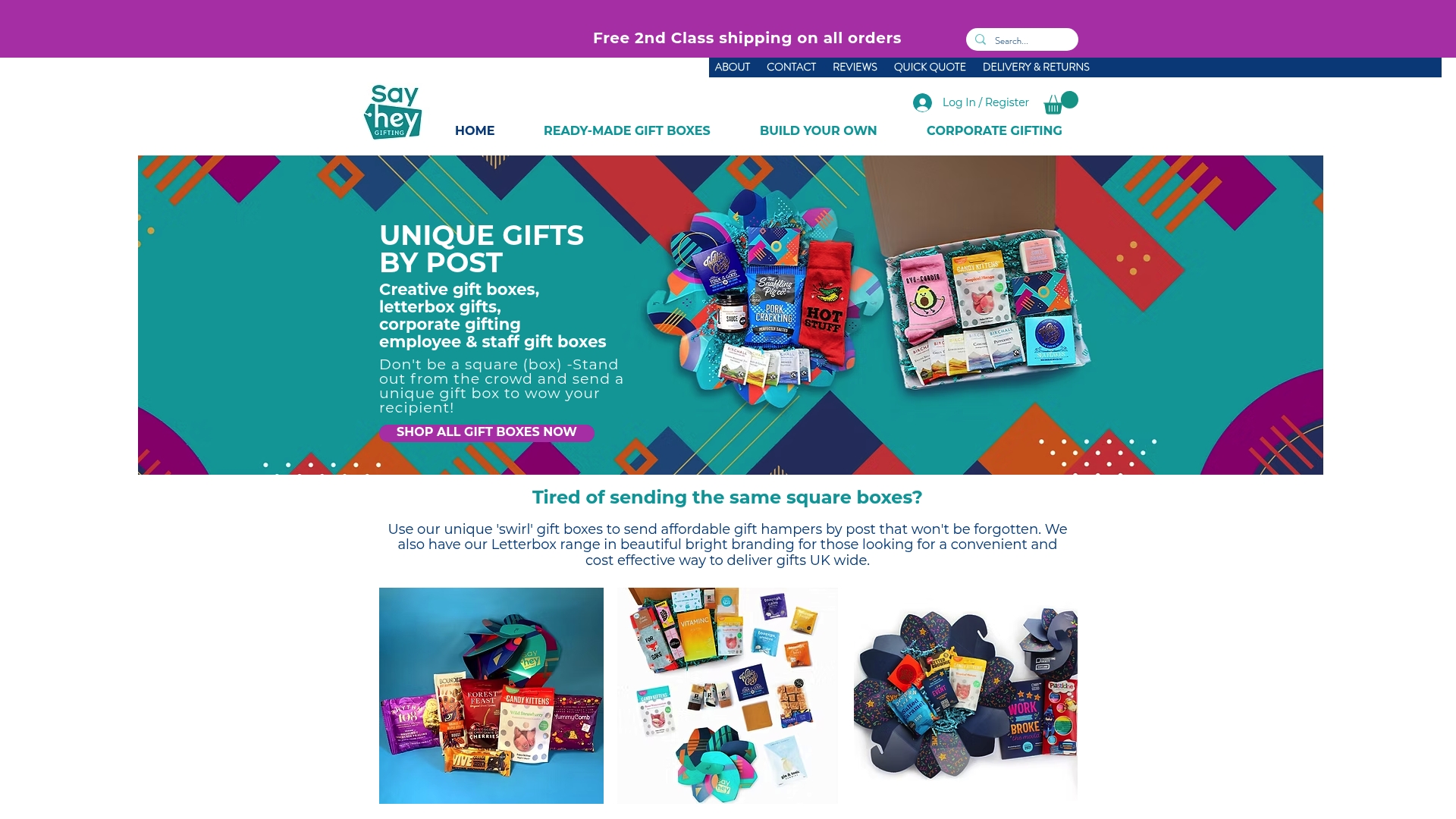
Tell us who the gift is for, how many people you are thanking and the feeling you want to create, and we will help you shape a box that does it justice.
Frequently asked questions
What is a corporate unboxing experience?
It is the full journey of receiving and opening a gift or welcome pack from a company, from the outer parcel to the final item. For employers it is a chance to show appreciation through presentation, a personal message and carefully chosen contents, so that people feel valued.
Do I need custom branded packaging?
Not always, but branding helps a gift feel connected to your company and makes it recognisable on arrival. A logo on the box or card is a simple way to do that. We add logos to our custom branded boxes at no extra charge.
What works best for remote or hybrid teams?
A gift that can be posted to a home address is ideal. Letterbox gifts are practical because nobody needs to be in to receive them, and a handwritten-style note from a manager makes the parcel personal. Check addresses and dietary needs before sending.
How can I make an unboxing accessible?
Give the box a clear opening point, keep any card text large and high in contrast, and label items if there are several similar pieces. Separating the outer shipping carton from the inner presentation box also keeps the gift looking its best.
Sources
Recommended
Comments