
Types of employee recognition gifts: the 2026 guide
- sayheystudio
- Jul 12
- 8 min read

Employee recognition gifts are tangible expressions of appreciation tied to specific achievements and individual preferences, and they are one of the most direct tools HR professionals have for improving morale and retention. The term “employee recognition gifting” covers everything from a small peer-to-peer token to a curated gift box marking a decade of service. Getting the category right matters as much as the gift itself. This guide breaks down the main types of employee recognition gifts, explains how to tier them by achievement level, and shows you how personalisation and timing determine whether a gift lands or falls flat.
1. How to choose the right types of employee recognition gifts
A tiered gifting framework is the most effective way to match gift value to achievement level. Budget ranges by tier give you a clear structure: peer-to-peer recognition sits at £20–£40, mid-level recognition at £60–£120, and top-performer awards at £120–£250. This structure prevents both underspending on significant milestones and overspending on routine kudos.
Each tier calls for a different type of gift. Peer-to-peer moments suit small, thoughtful items such as a premium coffee set or a personalised card with a treat. Mid-level recognition warrants something more considered, like quality desk accessories, a curated hamper, or a wellness experience voucher. Top-performer gifts should feel genuinely special, such as a high-end watch, a weekend experience, or a beautifully presented bespoke gift box.

Structured budgets also protect fairness across teams. When managers know the expected spend for each tier, there is no ambiguity about whether a colleague received more or less recognition than they deserved.
Pro Tip: Match the gift format to the occasion, not just the budget. A £30 letterbox gift delivered to a remote employee’s door on the day of their achievement often creates more impact than a £100 voucher handed over at the next team meeting.
2. The main categories of employee recognition gifts
Understanding the six core gift categories helps you select the right format for each situation.
Physical gifts include branded merchandise, quality lifestyle items, and keepsakes. They work well for onboarding packs and team events. Branded swag such as hoodies and water bottles suits low-stakes recognition but loses impact when used for significant milestones. Reserve physical gifts with genuine quality and personalisation for the moments that matter most.
Food and beverage gifts are practical and inclusive. Snack boxes and coffee subscriptions are particularly appreciated by frontline and deskless workers who may not have easy access to digital reward platforms. A well-chosen hamper also travels well as a letterbox gift, making it ideal for remote teams.
Experience gifts create memories rather than objects. Restaurant vouchers and wellness sessions promote well-being and leave a lasting impression. They are especially effective for mid-level and top-performer recognition, where you want the employee to feel genuinely celebrated.
Gift cards offer maximum choice and are ideal for spot recognition when you do not yet know an employee’s personal preferences. Gift cards are flexible but score lower on personalisation than curated physical gifts. Use them as a starting point, not a default.
Curated gift boxes combine personalisation with presentation. Tailored gift boxes aligned to employee interests and sustainable choices create memorable gifting experiences that reinforce your company culture. Sayheygifting specialises in exactly this format, offering letterbox gifts, hampers, and build-your-own options.
Charitable donations in an employee’s name suit individuals who prefer purpose over products. They work best when you know the employee well enough to choose a cause they genuinely care about.
Category | Best for | Personalisation level | Budget range |
Physical gifts | Onboarding, team events | Low to medium | £20–£60 |
Food and beverage | Frontline, remote staff | Medium | £25–£80 |
Experience gifts | Mid-level, top performers | High | £50–£200 |
Gift cards | Spot recognition | Low | Any |
Curated gift boxes | All levels, milestones | High | £30–£150 |
Charitable donations | Values-led employees | High | Any |
3. Why personalisation matters more than price
Personalised gifts outperform generic, mass-issued merchandise in both engagement and retention. The single biggest predictor of whether a gift reinforces loyalty is how relevant it feels to the individual, not how much it cost. A thoughtfully chosen book on a topic the employee loves will outlast an expensive but impersonal gift card in terms of emotional impact.
Personalisation does not require a large budget. It requires attention. Noting that a team member is a keen runner and including a quality sports accessory in their recognition gift signals that you see them as a person, not just a role. That distinction is what creates lasting memories.
“Recognition is most effective when it reflects genuine knowledge of the individual. A gift that says ‘I noticed you’ carries far more weight than one that says ‘I spent more money.’”
Timing amplifies personalisation. Immediate or same-day recognition significantly reinforces the behaviour you want to see repeated. Delayed recognition, even with a generous gift, loses much of its motivational power because the connection between achievement and reward weakens over time.
Pro Tip: Pair every gift with a handwritten or personalised digital message. The message often matters more than the item itself, and it costs nothing extra.
4. Integrating gifts into a broader recognition programme
A gift on its own is a gesture. A gift within a structured recognition programme is a culture-building tool. Recognition programmes that combine peer-to-peer, manager-led, and socially visible approaches consistently outperform single-method systems in engagement scores.
The most effective employee recognition programme explained simply looks like this:
Peer-to-peer recognition: Small, frequent gestures such as a letterbox treat or a team shoutout. These build daily warmth and belonging.
Manager-led recognition: Tied to performance reviews, project completions, or work anniversaries. This is where curated gift boxes and experience vouchers earn their place.
Social recognition: Public acknowledgement in team meetings, company newsletters, or internal platforms. Social recognition carries a trust multiplier that monetary rewards alone cannot replicate.
Tangible gifts work best when they accompany social recognition, not replace it. Announcing an award publicly and then presenting a beautifully packaged gift box creates a moment the employee will remember and talk about. That combination is what turns a recognition programme into a retention tool.
Digital tools that support peer recognition and gamification can increase adoption significantly, but they complement gifting rather than substitute for it. The physical gift remains the most tangible proof that the organisation values the individual.
5. Matching gifts to team size, culture, and budget
Small teams can afford a higher degree of personalisation because managers know their people well. A team of ten gives you the opportunity to tailor every gift to the individual, choosing items that reflect specific interests, hobbies, or life moments.
Large or distributed teams require a more structured approach. Curated gift boxes with customisable contents, such as those available through Sayheygifting’s build-your-own gift box option, let you maintain quality and thoughtfulness at scale. Letterbox gifts are particularly practical for remote employees because they arrive directly at home without requiring the recipient to be in the office.
Frontline and hourly workers respond especially well to food and beverage gifts. These feel immediately useful and inclusive, regardless of whether the employee has a desk, a laptop, or a company email address.
Remote teams: Prioritise letterbox gifts and curated hampers that deliver to home addresses.
Frontline workers: Choose food, beverage, or wellness gifts that feel immediately rewarding.
Office-based teams: Desk accessories, experience vouchers, and premium gift boxes all work well.
Budget-conscious programmes: Letterbox gifts under £10 offer genuine quality without stretching the budget.
Pro Tip: Choose sustainable packaging and ethically sourced contents wherever possible. Employees notice, and it signals that your values extend beyond the workplace.
Key takeaways
The most effective employee recognition gifts combine the right category, appropriate budget tier, genuine personalisation, and prompt delivery to create lasting engagement.
Point | Details |
Use a tiered budget framework | Match gift value to achievement level: peer, mid-level, and top-performer tiers each need different gifts. |
Personalisation beats price | A relevant, thoughtful gift outperforms an expensive but generic one in retention impact. |
Time recognition immediately | Same-day recognition reinforces behaviour; delayed gifts lose motivational power quickly. |
Combine gifts with social recognition | Public acknowledgement paired with a tangible gift creates the strongest engagement effect. |
Match format to team context | Remote, frontline, and office-based teams each need different gift formats to feel genuinely appreciated. |
What I have learned about recognition gifting after years in the field
The most common mistake I see HR teams make is treating the gift as the recognition. They spend considerable time choosing the right item and then hand it over quietly, with no public moment and no personal message. The gift becomes an afterthought rather than a celebration.
The second mistake is defaulting to branded merchandise for every occasion. Branded hoodies and mugs have their place, particularly for onboarding and team away days. But when someone has just delivered an exceptional project or reached a five-year milestone, a branded pen feels like a missed opportunity. It signals that the organisation reached for the easiest option rather than the most meaningful one.
What actually works, in my experience, is the combination of a well-chosen physical gift and a visible, personal moment of acknowledgement. The gift does not need to be expensive. It needs to show that someone paid attention. A curated gift box filled with items chosen around the employee’s interests, presented in a team meeting with a genuine word of thanks, creates a memory that lasts far longer than any points-based reward.
The growing interest in experience gifts and well-being presents reflects something real. Employees increasingly value time, health, and personal growth over objects. A spa afternoon or a cookery class says “we care about you as a person” in a way that a branded mug simply cannot. If your recognition programme has not yet incorporated experience gifts, 2026 is the year to start.
— Craig
Sayheygifting: thoughtful employee gift boxes for every recognition moment
Choosing the right gift for the right moment is easier when you have a gifting partner who understands what recognition actually means. Sayheygifting creates employee gift boxes designed specifically for workplace recognition, from peer-to-peer tokens to top-performer celebrations.
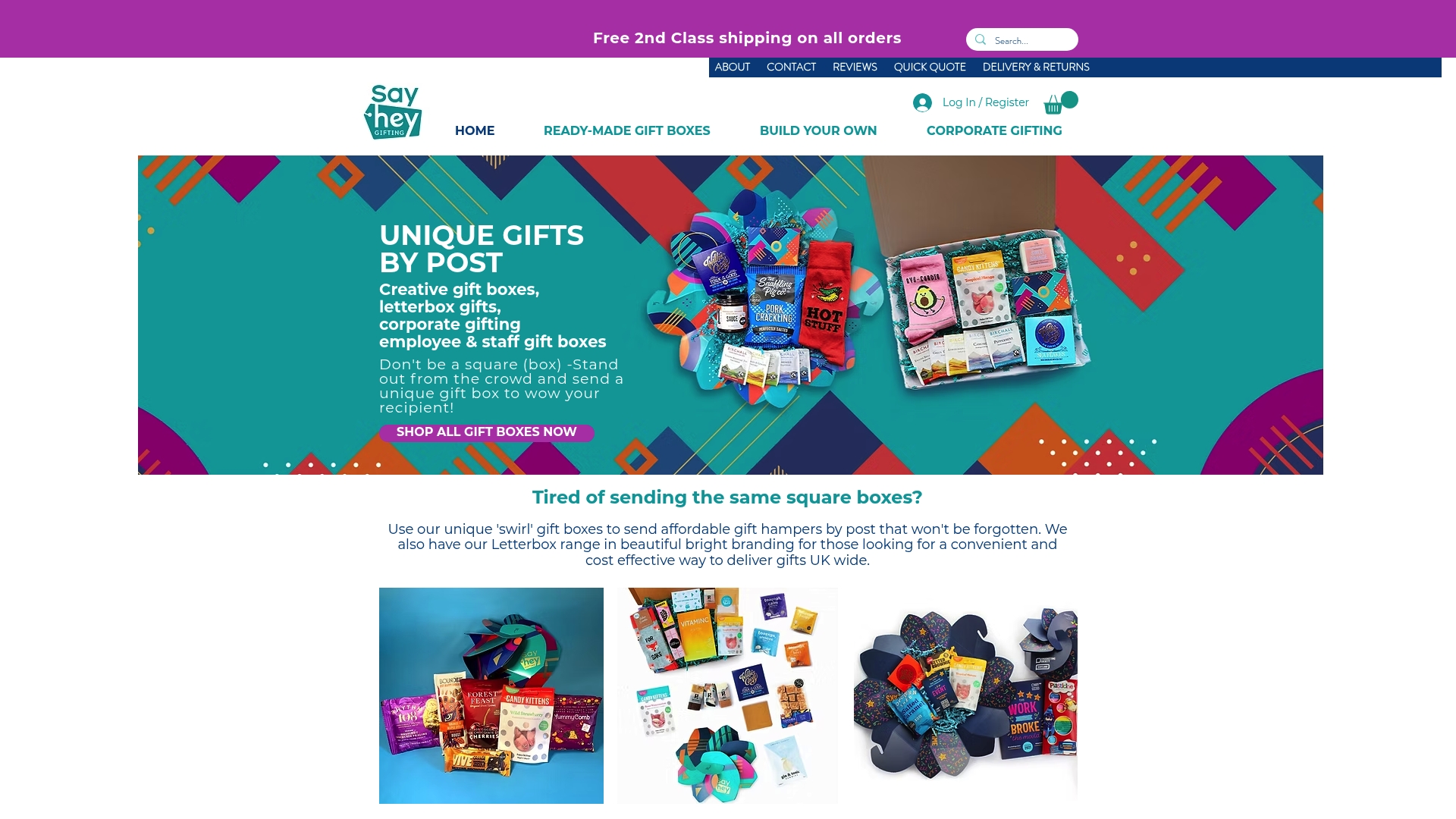
Every box is carefully curated and beautifully presented, with options to personalise contents, add branded packaging, and deliver directly to home addresses for remote teams. Whether you need a letterbox gift for a quick win or a premium hamper for a long-service award, Sayheygifting has a format that fits. Browse the full range of staff recognition gifts and find the perfect match for your next recognition moment.
FAQ
What is employee recognition gifting?
Employee recognition gifting is the practice of giving tangible gifts to employees as a formal expression of appreciation for specific achievements, behaviours, or milestones. It forms part of a broader recognition programme designed to improve morale, engagement, and retention.
What are the most effective types of employee recognition gifts?
Curated gift boxes, experience vouchers, and personalised physical gifts consistently outperform generic branded merchandise in engagement impact. The most effective gifts are those tailored to the individual’s interests and delivered promptly after the achievement.
How much should you spend on employee recognition gifts?
Budget ranges vary by recognition level: approximately £20–£40 for peer-to-peer recognition, £60–£120 for mid-level achievements, and £120–£250 for top-performer awards. Tiered budgets help control spend while ensuring the gift feels appropriate to the occasion.
Are gift cards a good choice for staff recognition?
Gift cards offer flexibility and are useful for spot recognition when you have limited information about an employee’s preferences. They score lower on personalisation than curated gifts, so they work best as a starting point rather than a long-term default.
How does social recognition complement gifting?
Social recognition, such as a public shoutout in a team meeting or company newsletter, amplifies the impact of a tangible gift. Pairing a physical gift with visible public acknowledgement creates a stronger engagement effect than either approach alone.
Recommended
Comments