
Why self-care gifts support staff wellbeing

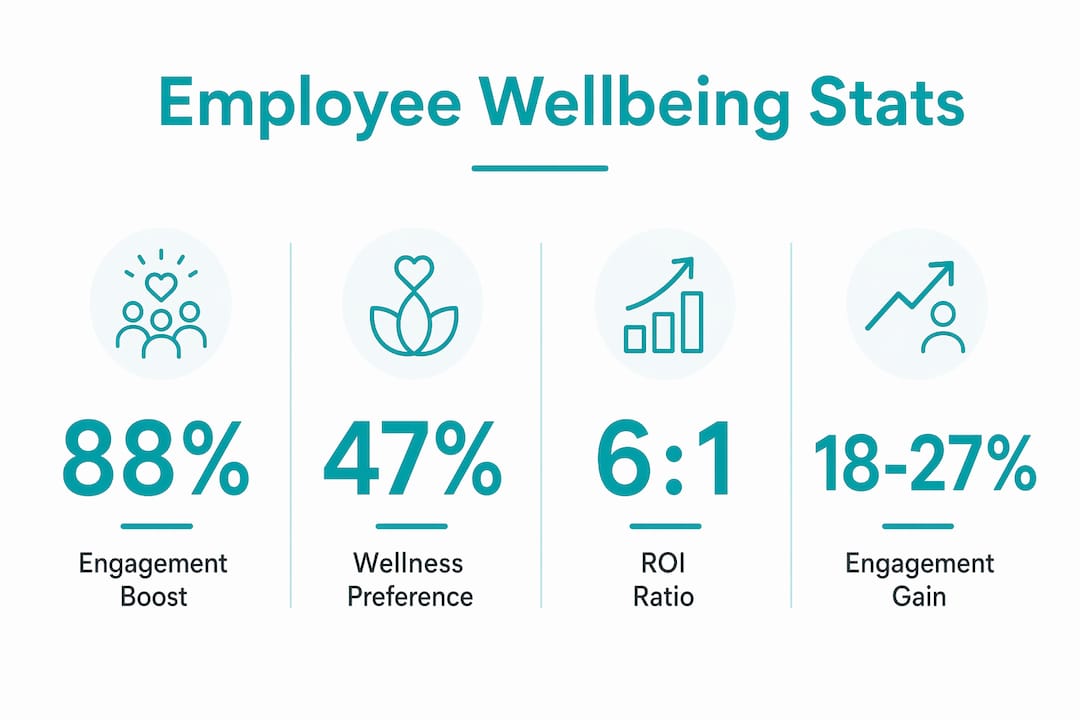
Self-care gifts are defined as intentional, wellness-focused items given to employees to support their physical, mental, and emotional health at work. Research confirms that thoughtful gifts boost engagement and collaboration for 88% of employees. That figure is not a soft metric. It reflects a measurable shift in how people feel about their employer and their work. Understanding why self-care gifts support staff wellbeing starts with recognising that these gifts signal genuine care, not just seasonal obligation. Sayheygifting specialises in exactly this kind of purposeful, personalised gifting for HR teams and corporate leaders who want to make that signal count.
What does the evidence say about the impact of self-care gifts on employee wellbeing?
The business case for wellness gifting is grounded in data, not sentiment. Wellness investments yield a 6:1 ROI through reduced turnover, fewer sick days, and improved resilience. That return makes gifting one of the most cost-effective wellbeing tools available to HR professionals.
Personalisation amplifies this effect considerably. Personalised gifting increases employee engagement scores by 18–27% compared to generic gifts. A branded mug or a standard hamper does not carry the same weight as a gift chosen with a specific person or challenge in mind.
Retention is another measurable outcome. 72% of employees say work-anniversary gifts would increase their likelihood of staying, yet only 47% actually receive them. That gap represents a straightforward retention opportunity that many organisations are leaving on the table.
“Employees who receive thoughtful, personalised gifts report higher job satisfaction for six months or more after the gesture. The impact of gifts on employee wellbeing extends well beyond the moment of receipt. A well-chosen gift becomes a daily reminder that the organisation sees and values the whole person.”
The data also points to a cultural shift in what employees expect from corporate gifting. 47% of corporate gifts now include wellness items, reflecting a permanent trend rather than a passing preference. Organisations that have not yet aligned their gifting with wellness are already behind the curve.
Metric | Finding |
Engagement boost | 88% of employees say gifts increase engagement and collaboration |
Retention signal | 72% say anniversary gifts increase likelihood of staying |
Personalisation uplift | Personalised gifts raise engagement scores by 18–27% |
Satisfaction duration | Thoughtful gifts improve job satisfaction for 6+ months |
Wellness trend | 47% of corporate gifts now include wellness items |
How do self-care gifts address workplace stressors and support mental health?
Workplace stress is specific, not abstract. The most common stressors affecting employees include sleep deprivation, screen fatigue, and posture-related discomfort. Gifts that target these directly carry far more meaning than generic tokens. Sleep kits, ergonomic supports, and mindfulness tools address the core causes of burnout with practical, daily-use items.

The mental health benefits of certain gift categories are backed by research, not just intuition. Self-compassion tools, including affirmation cards and gratitude journals, reduce burnout and increase resilience while decreasing anxiety and improving job satisfaction. These are not luxury items. They are evidence-based tools that work across all levels of employee mental health.
Gifts that address mental health also carry a cultural benefit. When an organisation gives a gratitude journal or a mindfulness kit, it sends a message that self-care is not a personal indulgence. It is a shared value. This normalisation matters because stigma around mental health remains one of the biggest barriers to employees seeking support.
The most effective self-care gifts for staff mental health tend to fall into these categories:
Sleep and rest: Eye masks, pillow sprays, herbal teas, and wind-down kits that help employees recover properly outside work hours
Mindfulness and reflection: Guided journals, affirmation card sets, and breathing exercise cards that encourage daily mental check-ins
Physical comfort: Ergonomic desk accessories, heat pads, and posture-support items that reduce physical strain during long working days
Sensory calm: Candles, bath soaks, and aromatherapy products that create a clear boundary between work and rest
Nourishment: Healthy snack boxes, herbal supplement kits, and hydration products that support energy and focus
Pro Tip: Pair any mindfulness or journalling gift with a short personal note explaining why you chose it. Connecting the gift to a known workplace challenge, such as a recent period of intense deadlines, transforms it from a nice gesture into a genuine act of care.
What are the best practices for selecting meaningful self-care gifts for staff?
Meaningful gifting starts with treating employees as whole people, not just workers. Employees prefer gifts that acknowledge them as individuals, and personal notes add meaning that no item cost can replicate. The most impactful gifts are those that feel considered, not convenient.
A structured approach helps HR teams move from good intentions to consistent results. These five practices make the biggest difference:
Prioritise personalisation over price. A lower-cost gift chosen with care outperforms an expensive generic one. Use what you know about each team member’s role, challenges, or preferences to guide your selection.
Offer choice where possible. Choice-based gifting models, such as a build-your-own gift box, give employees agency and increase the likelihood that the gift will actually be used and appreciated.
Write a personal note. Adding a note that links the gift to a specific known stressor, such as screen fatigue or a demanding project, transforms the gift into a management tool for resilience and retention.
Time gifts thoughtfully. Work anniversaries, Mental Health Awareness Month in may, and the end of a demanding quarter are all meaningful moments. Timing amplifies the message.
Avoid performative gifting. A gift given purely for optics, with no connection to the employee’s actual experience, can feel hollow. Authenticity is the difference between a gift that creates lasting appreciation and one that is forgotten by the following week.
Pro Tip: If you manage a large team, consider segmenting by role or department rather than giving identical gifts to everyone. A field-based employee and a desk-based employee face different physical stressors. Acknowledging that difference shows genuine attentiveness.
Inclusive gifting also matters. Dietary requirements, cultural considerations, and personal preferences should all inform your choices. A thoughtful wellness gift that works for every member of your team sends a stronger message than one that inadvertently excludes.
How does self-care gifting fit into a broader employee wellbeing strategy?
Self-care gifting works best as part of an ongoing commitment to employee wellbeing, not as a one-off gesture. Wellness gifting tied to real challenges is most effective when it sits alongside communication, leadership buy-in, and access to wellbeing resources. A gift without context is kind. A gift within a culture of care is transformative.
HR leaders who integrate gifting into their wider wellbeing programme see measurable benefits across several areas:
Reduced absenteeism: Employees who feel genuinely supported take fewer unplanned sick days, which directly reduces operational disruption.
Improved retention: Regular, thoughtful recognition through gifts reinforces loyalty and reduces the cost of recruitment and onboarding.
Stronger team cohesion: Gifts that spark conversations, such as a shared snack box or a team wellness challenge kit, build connection across departments.
Higher engagement scores: Consistent recognition through employee gifting and team rewards contributes to sustained improvements in employee Net Promoter Scores.
Cultural credibility: When leadership visibly invests in staff wellbeing through tangible gestures, it reinforces the organisation’s stated values and builds trust.
The most forward-thinking organisations treat self-care gifting as a year-round practice. They plan gifting moments around the employee lifecycle, from onboarding through to long-service recognition, rather than defaulting to Christmas hampers alone. This approach ensures that every employee feels seen at multiple points throughout the year, not just in december.
Key takeaways
Self-care gifts support staff wellbeing by addressing real workplace stressors, signalling genuine organisational care, and delivering measurable improvements in engagement, retention, and mental health.
Point | Details |
Evidence-backed ROI | Wellness investments yield a 6:1 return through lower turnover, fewer sick days, and stronger resilience. |
Personalisation drives impact | Personalised gifts raise engagement scores by 18–27% compared to generic alternatives. |
Target specific stressors | Sleep kits, mindfulness tools, and ergonomic items address the root causes of burnout most effectively. |
Authenticity over optics | Personal notes linking gifts to real challenges transform them from gestures into retention tools. |
Integrate, do not isolate | Gifting works best as part of an ongoing wellbeing strategy, not as a seasonal or one-off event. |
Why I think most organisations are still getting gifting wrong
Most HR teams I speak with genuinely want to support their people. The intention is there. What is often missing is the connection between the gift and the person receiving it. A branded notebook sent to every employee at Christmas is not a wellbeing strategy. It is a logistics exercise dressed up as care.
The organisations that get this right share one habit: they treat gifting as a management tool, not a HR admin task. They ask what their people are actually struggling with, and they choose gifts that speak directly to those struggles. A team that has just delivered a gruelling product launch does not need a generic hamper. They need something that says, “We saw what you gave, and we want you to rest and recover.”
There is also a tendency to underestimate the power of the personal note. I have seen a simple, handwritten card accompanying a wellness box create more loyalty than a pay review. The note costs nothing. The impact is disproportionate.
My honest advice to any HR leader reading this: stop thinking about gifting as an expense line and start thinking about it as a signal. Every gift you send tells your team something about what your organisation values. Make sure it is telling the right story. The importance of wellness gifts is not just about the item itself. It is about what the act of giving communicates.
— Craig
Sayheygifting: curated self-care gifts for your team
Sayheygifting designs employee gift boxes with staff wellbeing at the centre. Every box is built around thoughtfulness, personalisation, and the kind of care that employees actually feel. Whether you are recognising a work anniversary, supporting your team through a demanding period, or building a year-round gifting programme, Sayheygifting offers options that fit.
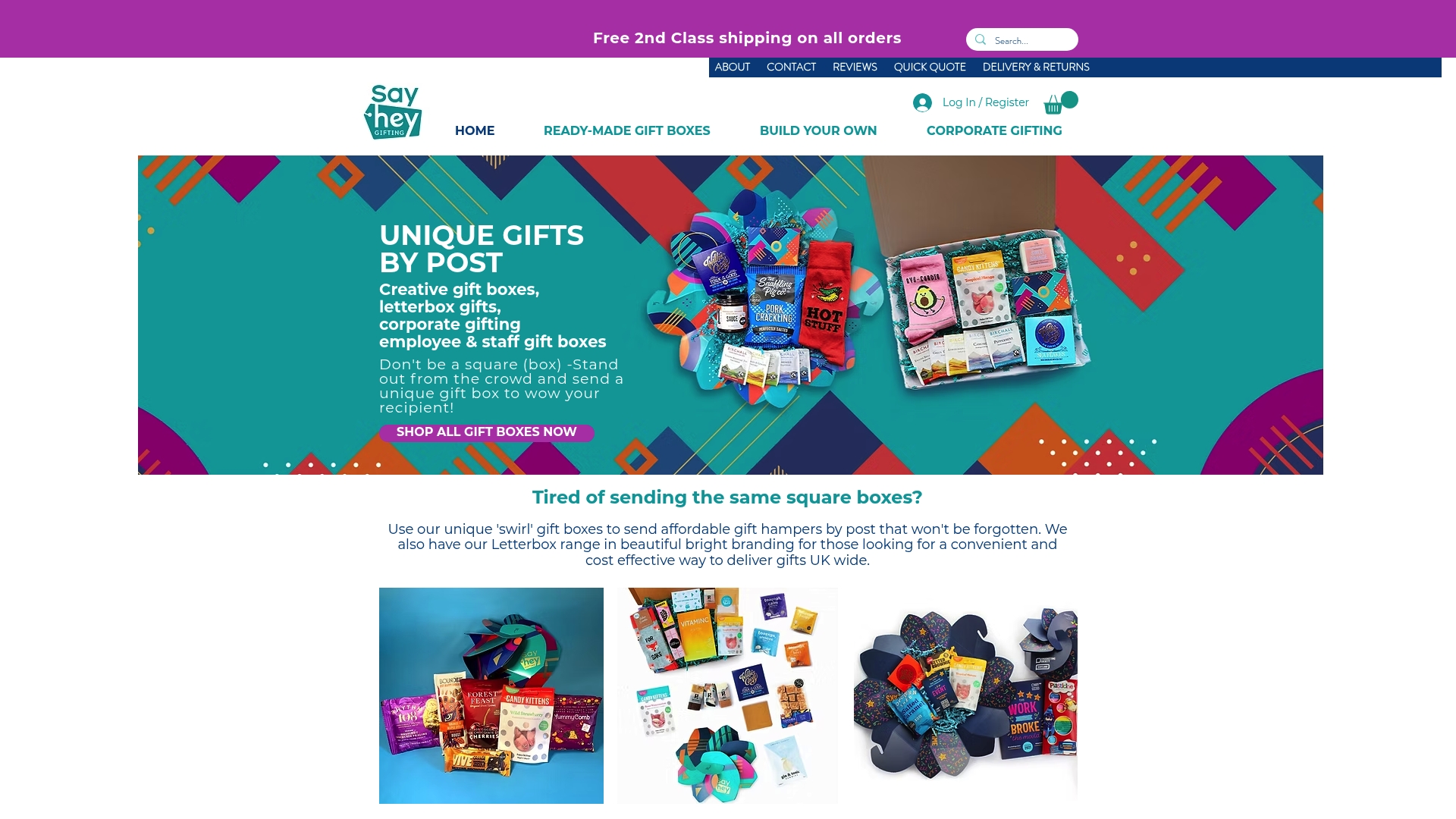
From wellness-focused letterbox gifts to fully customisable staff gift boxes, the range is designed to make meaningful gifting straightforward for HR professionals and corporate leaders. You choose the level of personalisation. Sayheygifting handles the rest, delivering gifts that create lasting appreciation and genuine connection across your team.
FAQ
Why do self-care gifts improve employee wellbeing?
Self-care gifts address real physical and mental stressors while signalling that the organisation values employees as whole people. Research shows thoughtful gifts improve job satisfaction for six months or more after receipt.
What are the top gifts for staff mental health?
The most effective gifts for staff mental health include gratitude journals, affirmation card sets, sleep kits, mindfulness tools, and sensory calm products such as candles and bath soaks. These items are evidence-based and address the root causes of workplace burnout.
How do personalised gifts differ from generic ones?
Personalised gifts raise employee engagement scores by 18–27% compared to generic alternatives. The difference lies in the signal they send: a personalised gift shows the giver paid attention to the individual, not just the occasion.
How often should employers give self-care gifts to staff?
Wellness gifting works best as an ongoing practice tied to the employee lifecycle, including onboarding, work anniversaries, and key wellbeing moments such as Mental Health Awareness Month in may. Seasonal gifting alone is not sufficient to build a culture of care.
What makes a self-care gift feel authentic rather than performative?
Authenticity comes from connecting the gift to a specific known challenge or achievement, adding a personal note, and offering choice where possible. A gift that reflects genuine knowledge of the recipient’s experience carries far more weight than one chosen for convenience.
Recommended

Comments