
Gifts for corporate events: your 2026 planning guide

Gifts for corporate events are carefully chosen items that create lasting impressions, reinforce professional relationships, and signal genuine appreciation to recipients. Done well, corporate gifting builds loyalty among employees and clients alike. Done poorly, it wastes budget and leaves people feeling like an afterthought. This guide covers the budget tiers, gift categories, branding methods, and delivery steps you need to get it right, whether you are planning a staff milestone celebration, a client thank-you event, or a seasonal Christmas gathering.
What budget tier should you set for gifts for corporate events?
Corporate gift budgets in 2026 follow four clear tiers based on recipient status. Budget tiers range from £8–£25 for promotional giveaways up to £100–£250 per unit for VIP executive gifts. Knowing which tier applies to your event saves you from overspending on giveaways or under-investing in relationships that matter.
The four tiers break down as follows:
Promotional (£8–£25): Branded merchandise for trade shows, open days, or large-scale staff events. Think tote bags, notebooks, or quality drinkware.
Standard (£25–£50): Appropriate for general employee recognition, onboarding packs, or client thank-you gifts. Curated gift boxes with a personal touch work well here.
Premium (£50–£100): Suited to long-serving employees, key account clients, or milestone celebrations. Hampers, premium food and drink sets, or wellness boxes fit this range.
VIP (£100–£250): Reserved for senior executives, top-tier clients, or exceptional achievement awards. Bespoke, personalised gift sets with high-quality packaging are expected at this level.
Matching the tier to the recipient is as important as the gift itself. Sending a £10 branded pen to a client worth £50,000 a year sends the wrong message. Equally, spending £150 per head on a team of 200 for a routine office party is rarely justified.
Pro Tip: For large events where budget is tight, concentrate spend on presentation and personalisation rather than the item itself. A beautifully packaged £30 gift box feels more generous than a poorly wrapped £50 one.
Which gift categories suit different industries and occasions?
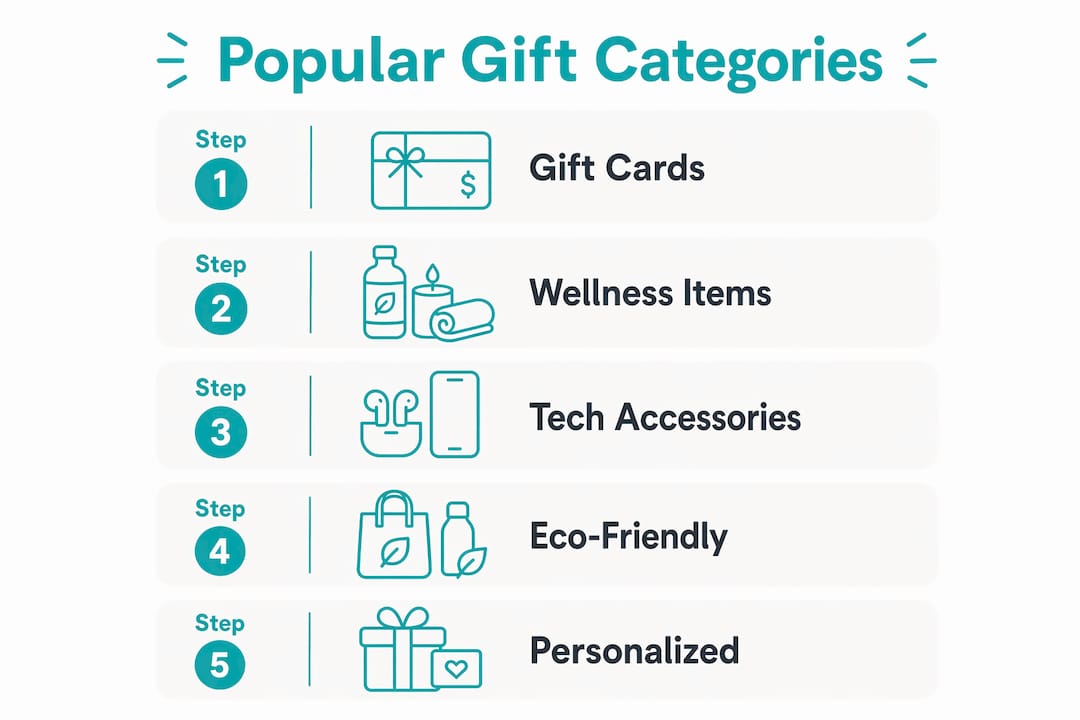
The fastest-growing gift categories in 2026 are gift cards and vouchers, health and wellness items, and tech accessories. These categories grow because they prioritise recipient choice and daily usefulness over novelty. Choosing within these categories, and matching them to your specific industry, gives your gifting programme far greater relevance.
Industry-specific preferences
Different sectors have distinct gifting cultures. Real estate favours premium coolers, tech companies lean towards power banks and charging accessories, and healthcare organisations prefer wellness products such as aromatherapy sets or fitness trackers. Matching your gift to the sector shows you understand your recipient’s world, which is far more memorable than a generic branded mug.
Technology: Wireless chargers, cable organisers, or quality headphones.
Healthcare: Wellness kits, mindfulness journals, or self-care hampers.
Real estate: Premium food hampers, insulated drinkware, or experience vouchers.
Finance and professional services: Leather notebooks, quality stationery sets, or curated food and drink boxes.
Retail and hospitality: Personalised gift cards, gourmet food selections, or spa experience vouchers.
Matching gifts to event occasions
The occasion shapes the gift as much as the industry does. Onboarding gifts should feel welcoming and practical, so a curated welcome box with branded items and a personal note works perfectly. Milestone gifts, such as a five-year work anniversary, call for something more personal and premium. Trade show giveaways need to be portable, useful, and subtle enough that recipients actually keep them. For top corporate gifts for Christmas, seasonal hampers, festive letterbox gift sets, and personalised sweet selections consistently perform well across all industries.
Pro Tip: Add a short event-specific message card to every gift, even at the promotional tier. A sentence referencing the occasion makes any gift feel considered rather than mass-produced.
How should you brand and personalise corporate event gifts?
Subtle branding produces better results than bold logo placement. Subtle branding techniques such as tonal embroidery, laser etching, and debossing increase the likelihood that recipients use the gift regularly. Loud, oversized logos, by contrast, often lead to disposal. The goal is a gift that keeps on giving through repeated daily use, not one that ends up in a desk drawer.
Effective branding for corporate event gifts follows a clear order of priority:
Choose the right technique for the material. Laser etching suits metal and wood. Debossing works on leather and card. Embroidery fits fabric items. Matching the technique to the material shows craftsmanship.
Keep the logo small and well-placed. A small logo on the base of a mug or the inside of a notebook cover is more sophisticated than a full-front print.
Use event-specific branding where possible. Event-specific branding tied to the occasion, such as a conference name or a milestone year, elevates perceived value far beyond a standard company logo.
Add a personalised note. A handwritten or printed note addressed to the recipient by name adds warmth that no amount of branding can replicate.
Invest in packaging. A beautifully presented box with tissue paper, a ribbon, and a branded sticker creates an unboxing moment that recipients remember and often share.
The most common mistake is treating branding as an afterthought. Decide on your branding approach before you select the gift, not after. A gift that cannot carry your chosen technique elegantly is the wrong gift.
Pro Tip: For premium and VIP tier gifts, commission a short personalised message from a senior leader within your organisation. Recipients notice when a gift comes with a note signed by a director or CEO, and it significantly increases emotional impact.
How to plan, select, and deliver gifts for a successful corporate event
A clear process prevents last-minute scrambles and ensures every recipient receives a gift that reflects well on your organisation. Follow these steps in order.
Confirm your budget and recipient list. Lock in the total budget and segment recipients by tier before selecting any gifts. Mixing tiers without a clear rationale creates awkward comparisons.
Choose gift categories aligned with your event and audience. Use the industry and occasion guidance above. Cross-reference with any dietary, cultural, or personal preferences you hold for key recipients.
Select a supplier and confirm customisation options. Not all suppliers offer every branding technique. Confirm lead times for customisation before placing an order. Sayheygifting offers build-your-own gift boxes with flexible branding and item choices, which suits both standard and premium tiers.
Plan your delivery timeline with a buffer. Adequate delivery timelines are critical for event success. Order at least three weeks before your event date for standard gifts, and six weeks for fully customised or bespoke orders.
Conduct a quality and presentation check. Open a sample box before the full order is distributed. Check that branding is correctly applied, packaging is undamaged, and all items are present.
Troubleshoot before the event. Identify any shortfalls or damaged items at least 48 hours before the event so replacements can be sourced.
Step | Key action | Timing |
Budget and list | Confirm tiers and recipient numbers | 8+ weeks before event |
Gift selection | Match category to industry and occasion | 7 weeks before event |
Supplier order | Confirm customisation and place order | 6 weeks before event |
Delivery tracking | Monitor dispatch and confirm arrival | 1–2 weeks before event |
Quality check | Open sample, verify branding and contents | 48 hours before event |
Pro Tip: For events with over 50 recipients, request a pre-production sample from your supplier before the full run is produced. Catching a branding error at sample stage costs far less than reprinting 200 boxes.
Key takeaways
Choosing the right gifts for corporate events requires matching budget tiers, gift categories, and branding methods to your specific recipients, industry, and occasion.
Point | Details |
Use tiered budgets | Match spend to recipient status, from £8–£25 for promo gifts to £100–£250 for VIP. |
Align gifts to industry | Tech, healthcare, and real estate each have distinct preferences that make gifts feel relevant. |
Apply subtle branding | Laser etching, debossing, and tonal embroidery increase daily use and ongoing brand exposure. |
Personalise every gift | A named note or event-specific message card raises perceived value at any budget level. |
Plan delivery early | Order standard gifts at least three weeks ahead, and bespoke orders at least six weeks ahead. |
Why thoughtfulness beats budget every time
I have worked with event planners who spent three times the recommended budget and still produced gifts that felt hollow. The reason is almost always the same: the gift was chosen for convenience, not for the recipient. A £150 generic hamper with a company logo slapped on the front tells your client you spent money. A £45 curated wellness box with a handwritten note and event-specific packaging tells them you thought about them.
The shift I have seen make the biggest difference is treating employee gifting as a communication tool, not a line item. Every gift communicates something. A disposable branded pen says “you were on a list.” A quality drinkware set with subtle etching and a personal note says “we value your time with us.” The gap in cost between those two options is small. The gap in impact is significant.
Wellness gifts and flexible vouchers are the two categories I now recommend most consistently. Wellness gifts resonate across industries and demographics. Vouchers give recipients genuine choice, which is the most respectful gift of all. Both categories also photograph well, which matters when your event has a social media presence.
Plan your gifting programme at least six weeks before any major event. The planners who leave it to the final fortnight always compromise on personalisation, and personalisation is precisely what makes corporate gifting worth doing.
— Craig
Sayheygifting makes corporate event gifting straightforward
Planning gifts for a large event is demanding enough without the added pressure of sourcing, customising, and coordinating delivery from multiple suppliers. Sayheygifting brings everything together in one place, from curated ready-made boxes to fully customisable options that carry your branding with care.
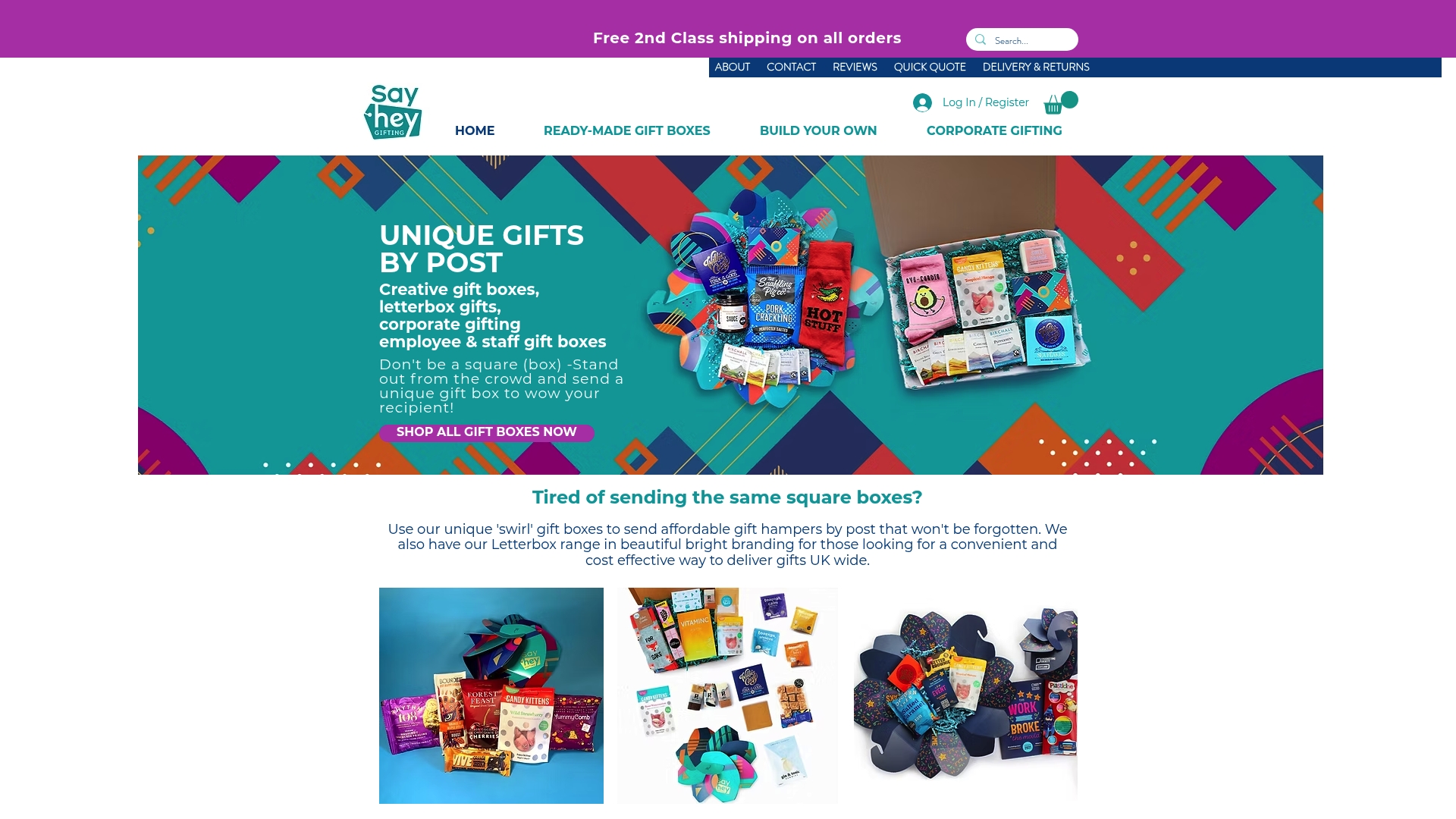
Whether you need a budget-friendly letterbox gift for a team of 100 or a premium hamper for your top ten clients, Sayheygifting has options across every tier. The corporate gifting range includes flexible branding, reliable UK delivery, and a team that genuinely cares about getting the details right. For seasonal events, the Christmas gift box collection offers beautifully presented options that arrive ready to delight. Your recipients deserve gifts that reflect the care you put into your events.
FAQ
What are the standard budget tiers for corporate event gifts?
Corporate gift budgets in 2026 range from £8–£25 for promotional giveaways to £100–£250 for VIP executive gifts, with standard and premium tiers sitting between those points. Match the tier to the recipient’s relationship with your organisation.
Which gift categories are most popular for corporate events?
Gift cards and vouchers, health and wellness items, and tech accessories are the fastest-growing categories in 2026. These categories perform well because they prioritise recipient choice and everyday usefulness.
How far in advance should I order gifts for a corporate event?
Order standard gifts at least three weeks before your event date. For fully customised or bespoke orders, allow at least six weeks to account for production and delivery lead times.
What is the best branding approach for corporate event gifts?
Subtle techniques such as laser etching, debossing, and tonal embroidery produce better results than large logo prints. Subtle branding encourages daily use, which generates ongoing positive impressions of your brand.
What are the best corporate gifts for Christmas events?
Seasonal hampers, personalised letterbox gift sets, and curated sweet or food selections consistently perform well as top corporate gifts for Christmas. Adding a personalised note tied to the festive occasion significantly increases the perceived value of any gift.
Recommended

Comments