
Monthly staff gift boxes: your complete HR guide

Monthly staff gift boxes are curated collections of quality, thoughtful items delivered to employees on a recurring basis to recognise their contribution and strengthen workplace belonging. When done well, they are one of the most consistent tools HR professionals have for improving morale and reducing turnover. The industry standard budget for a quality employee gift box sits between £89 and £180 per box, with the premium sweet spot at £120–£180. That figure reflects a meaningful investment in recognition, not a token gesture. This guide walks you through everything you need to build, run, and refine a programme that employees genuinely look forward to each month.
What makes monthly staff gift boxes work?
Monthly staff gift boxes succeed because they create a reliable rhythm of recognition. A single annual gift at Christmas is easy to forget. A box that arrives every month builds anticipation, sparks conversations, and signals that appreciation is a year-round commitment rather than a seasonal obligation.

The formal industry term for this practice is a corporate gift subscription programme. The phrase “monthly staff gift boxes” is the widely used shorthand, but understanding the subscription model behind it helps HR managers plan more effectively. Subscriptions require scheduling, supplier relationships, and a communication plan, not just a product purchase.
Employee recognition directly influences retention. When employees feel genuinely valued, they are far more likely to stay, perform well, and speak positively about their employer. Personalised message cards and thoughtful item selection increase that emotional impact considerably. A box without a personal touch is just a parcel.
Prerequisites and budgets: what to set up before you order
Getting the foundations right saves significant time and money once your programme is running. Before you place a single order, you need clarity on three things: your budget per head, your employee preferences, and your delivery logistics.
Budget tiers and what they deliver
Industry budget ranges for employee gift boxes break down into three clear tiers:
Budget tier | Typical spend per box | Contents quality | Delivery options |
Entry level | £25–£60 | Basic branded items, single snack | Standard post |
Mid-range | £60–£120 | Mixed self-care, snacks, branded goods | Tracked delivery |
Premium | £120–£180+ | Curated self-care, artisan food, personalised items | Named-day or letterbox |
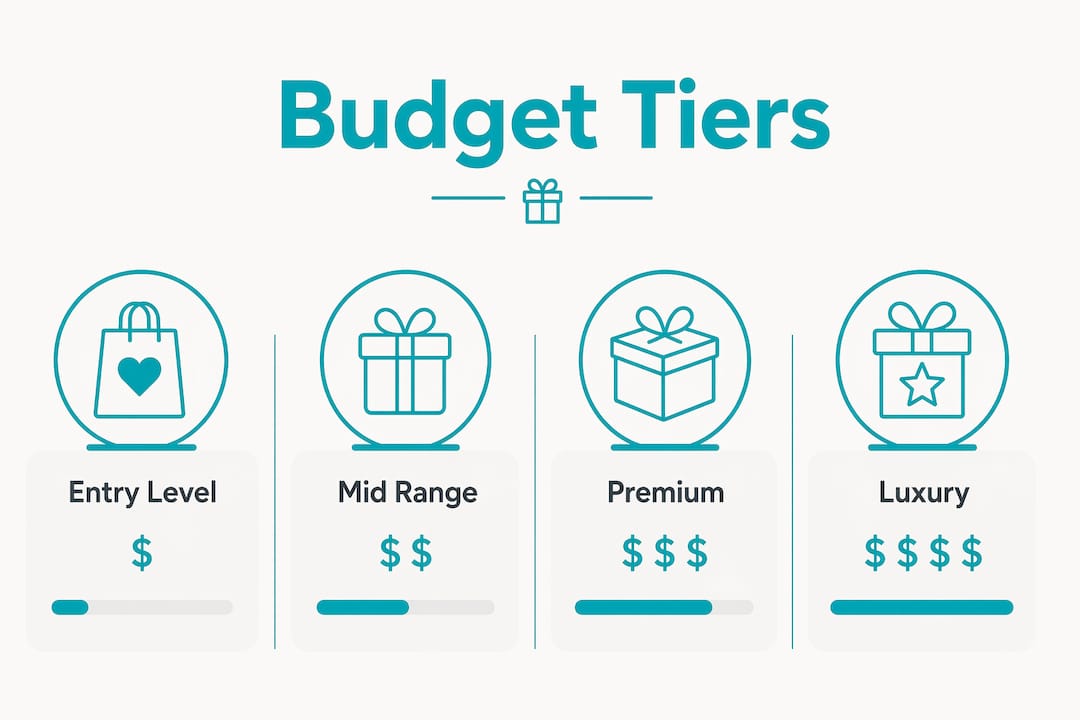
The premium gifting sweet spot of £120–£180 consistently outperforms entry-level boxes in employee satisfaction. Employees notice the difference between a box that was chosen with care and one that was assembled to hit a minimum spend.
Key prerequisites before launch
Survey your team on dietary requirements, allergies, and personal preferences before curating any items.
Set a delivery schedule at least six weeks in advance to avoid stock shortages and courier delays.
Agree a communication plan so employees know when to expect their box and why they are receiving it.
Choose a supplier who can handle recurring orders, personalised messages, and multi-address delivery.
Confirm your budget per person per month and build in a 10% contingency for price fluctuations.
Pro Tip: Run a short internal survey before your first box goes out. Even five questions about food preferences and hobbies will transform your curation from generic to genuinely personal.
Logistics matter as much as contents. Flexible corporate gift subscriptions that accommodate monthly, quarterly, or one-off deliveries give HR managers the control they need without locking the programme into a rigid schedule.
How to design creative and engaging staff care packages
The best staff care packages share one quality: they feel chosen, not assembled. Themes are the simplest way to achieve that. A clear monthly theme gives every item a reason to be in the box and creates a story employees can share with colleagues.
Popular monthly themes to consider
Wellness and self-care: bath products, herbal teas, mindfulness journals, and sleep aids.
Seasonal celebration: items tied to the time of year, from summer picnic treats to winter warmers.
Professional development: a curated book, a notebook, quality stationery, and a motivational card.
Gourmet food and drink: artisan snacks, speciality coffee, craft chocolate, and recipe cards.
Milestone recognition: personalised items marking work anniversaries, promotions, or team achievements.
Creative themes like wellness and seasonal events consistently increase engagement with gift programmes. Employees remember a spa-themed box in january far longer than a generic selection of branded pens.
Curated versus build-your-own boxes
Curated boxes offer consistency and ease of management. They work well for large teams where individual preferences are hard to track. Build-your-own options, such as those available through Sayheygifting’s gift box builder, give employees a sense of agency and personal connection to their gift. The trade-off is slightly more administration on the HR side.
Personalisation does not require a build-your-own model. Including individual names and handwritten messages in a curated box delivers a strong sense of personal recognition without the complexity of individual curation. A name on a card costs almost nothing and changes everything.
Pro Tip: Rotate your themes quarterly rather than monthly if budget is tight. Four strong themed boxes per year feel more special than twelve repetitive ones.
For ideas on what is trending in 2026, the top picks for this year include wellness bundles, artisan food selections, and personalised stationery sets.
How to execute a monthly gift delivery programme smoothly
Execution is where most programmes stumble. The concept is easy to love; the logistics require real planning. A clear step-by-step process removes the guesswork and protects HR managers from last-minute scrambles.
Step-by-step delivery process
Confirm your recipient list at least three weeks before each dispatch date, including any new starters or leavers.
Place your order with your chosen supplier, providing all delivery addresses and personalisation details.
Send an advance announcement to employees two to three days before dispatch to build anticipation.
Track all shipments and flag any delays immediately so you can communicate proactively.
Follow up with a short message on delivery day, explaining the theme and the thought behind each item.
Collect feedback within one week of delivery using a brief survey or a simple emoji reaction in your internal comms tool.
Personalised message cards and advance announcements significantly increase the emotional impact of each delivery. The box itself is the gift; the communication around it is the experience.
Delivery options compared
Delivery method | Best for | Key consideration |
Single bulk shipment | Office-based teams | Requires a central delivery address |
Individual home delivery | Remote or hybrid teams | Higher per-unit cost, greater personal impact |
Staggered multi-location | Large or multi-site organisations | Needs careful scheduling to avoid gaps |
Remote employees benefit greatly from boxes delivered directly to their homes. Home delivery removes the sense of exclusion that remote workers often feel during office-based recognition events. It is one of the most effective ways to maintain inclusivity across a distributed team.
Troubleshooting common challenges in your gifting programme
Even well-planned programmes hit obstacles. Knowing the most common pitfalls in advance means you can address them before they affect employee experience.
Common pitfalls and how to avoid them
Repetitive contents: Rotate your supplier catalogue every quarter and track what has already been sent. Employees notice when the same candle appears for the third time.
Generic or low-quality items: Overly generic products undermine the feeling of appreciation you are trying to create. Prioritise useful, quality items over branded promotional goods.
Budget creep: Set a firm per-head budget at the start of the financial year and review it quarterly. Build in approval steps for any box that exceeds the agreed spend.
Delivery failures: Use tracked, named-day delivery for premium boxes. A gift that arrives damaged or late creates more frustration than no gift at all.
Lack of feedback loops: Regular surveys and engagement metrics are the only reliable way to know whether your programme is landing well. Gut feeling is not a measurement strategy.
Inclusivity gaps: Always account for dietary restrictions, cultural sensitivities, and accessibility needs. A box that excludes someone sends the opposite message to the one you intend.
The most successful programmes treat feedback as a design tool, not an afterthought. When employees see their suggestions reflected in the next box, engagement with the programme increases noticeably.
Key takeaways
Monthly staff gift boxes deliver the most value when they combine a clear theme, quality contents, personalised messaging, and a consistent delivery rhythm.
Point | Details |
Budget shapes perception | Boxes in the £120–£180 range consistently outperform entry-level options in employee satisfaction. |
Themes drive engagement | Monthly or quarterly themes give every item a purpose and make boxes more memorable. |
Personalisation matters | Including a name and a personal message transforms a parcel into a genuine act of recognition. |
Remote teams need inclusion | Home delivery for remote employees maintains the sense of belonging that office-based recognition can miss. |
Feedback improves outcomes | Regular post-delivery surveys allow you to refine contents and keep the programme feeling fresh. |
What I have learned from running gifting programmes
The single biggest mistake I see HR managers make is treating the gift box as the entire programme. It is not. The box is the physical expression of something much more important: a consistent, visible commitment to recognising your people. When that commitment is communicated well, even a modest box lands with real warmth. When it is not communicated at all, even a premium box feels like a random parcel.
The second thing I have learned is that personalisation does not need to be complicated. You do not need a bespoke curation process for every individual. A handwritten name on a card, a message that references the month’s theme, or a note from a line manager adds more perceived value than doubling the contents budget. Employees remember how something made them feel, not its retail price.
My honest advice is to start smaller than you think you need to. A well-executed quarterly programme beats a chaotic monthly one every time. Once your processes are solid and your supplier relationships are reliable, scaling to monthly delivery is straightforward. Rushing into a monthly cadence before the logistics are right creates stress for HR teams and disappointment for employees. Neither outcome serves anyone.
For occasion-specific ideas that work across the year, thoughtful gift box ideas for every occasion is a practical starting point worth bookmarking.
— Craig
How Sayheygifting supports your monthly gifting programme
Sayheygifting offers a range of ready-made and customisable employee gift boxes designed specifically for HR professionals who want quality without the complexity. Every box is available with personalised messaging, and the ordering process is built for recurring programmes rather than one-off purchases.
Whether you want a curated employee gift box delivered to a single office or a multi-address programme reaching remote team members across the UK, Sayheygifting handles the details. The product range covers wellness, food and drink, and seasonal themes, with inclusive options that work for every member of your team. If you prefer to personalise each box yourself, the build-your-own option gives you full control over contents and presentation.
FAQ
What are monthly staff gift boxes?
Monthly staff gift boxes are curated sets of quality items sent to employees on a recurring monthly basis to recognise their contribution and support well-being. They form part of a broader corporate gift subscription programme focused on consistent employee appreciation.
How much should I budget per employee for a gift box?
Industry guidance places the premium sweet spot at £120–£180 per box. Entry-level boxes start around £25, but boxes in that range rarely deliver the sense of genuine appreciation that drives morale and retention.
How do I keep monthly gift boxes feeling fresh?
Rotate themes quarterly, track previously sent items, and use post-delivery surveys to gather employee feedback. Changing the theme and at least two or three core items each cycle prevents repetition and keeps anticipation high.
How do I manage gift boxes for remote employees?
Use a supplier that offers individual home delivery with tracked shipping and personalised messaging. Remote employees benefit most from boxes delivered directly to their door, which maintains the same sense of recognition as office-based team members receive.
What items work best in staff care packages?
Universally appealing, useful items outperform branded promotional goods every time. Self-care products, artisan food and drink, quality stationery, and personalised notes consistently receive the strongest positive responses from employees across different demographics.
Recommended
Comments