
Tax aware Office Move Gifts for UK Managers: Order 4–6 Weeks Ahead

The best office move gifts are thoughtful, low-friction items or welcome kits that show genuine recognition and are easy to deliver at scale. Evidence from the CIPD shows recognition lifts motivation, while HMRC rules shape what stays tax-free. Ready-made corporate gifting options make it simple to get this right without adding to an already busy moving week.
TL;DR:
Use pre-move welcome kits with desk essentials and a personalized touch to create a sense of care and familiarity from day one.
Ensure gifts are appropriate for the recipient, considering dietary needs, accessibility, and hybrid working arrangements to promote fairness.
Keep gifts simple, non-cash, and unlinked to performance to maximize the chance of remaining tax-free under HMRC guidelines.
Coordinate timing and logistics carefully, delivering parcels after desks are set up and tracking remote gifts to avoid chaos and perception of unfairness.
Select culturally neutral, inclusive gifts with flexible options, and plan quantities to prevent shortages or surplus during the move.
Table of Contents
1. Practical gift ideas for every budget and team
A good office move gift does two things: it acknowledges the disruption, and it makes the new space feel like home a little sooner. Here are the categories that consistently work well, grouped by what they achieve.
Welcome kits: desk essentials, a branded notebook and refill stationery give new or relocated staff everything they need on day one, so nobody is hunting for a stapler. Budget: low to medium. Present them in a labelled box on each desk before anyone arrives.
Personalised desk items: an engraved pen, a custom mouse mat or a nameplate make a workstation feel owned rather than borrowed. Budget: medium. These work best with individual names rather than generic branding.
Plants and low-maintenance greenery: a small desk plant softens a new, often sterile office and signals care for wellbeing. Budget: low. Choose resilient varieties like succulents so they survive a week of unpacking chaos.
Edible and gourmet options: team hampers, individually portioned snacks or letterbox treats suit both communal spaces and solo desks, offering inspiration from corporate Christmas food gifts personalised for gourmet options. Budget: low to high depending on scale. A shared hamper in the kitchen works for teams; individual letterbox gifts suit remote staff.
Wellness and comfort items: a travel mug, an ergonomic wrist rest or a pack of screen wipes acknowledge that moving day is tiring. Budget: low to medium. Pair these with a short note explaining why they were chosen.
Experience and local vouchers: lunch vouchers for nearby cafés or an afternoon tea booking for visiting clients add a personal touch, though non-cash equivalents need care under tax rules covered later. Budget: medium to high. Keep these occasional rather than routine.
Branded swag for team pride: a well-made tote bag or water bottle beats a drawer full of cheap pens. Budget: low, but spend it on fewer, better items. Quality signals respect; quantity rarely does.
Remote-friendly letterbox gifts: single-post parcels let hybrid staff feel included on moving day without anyone needing to be in the office to receive them. Budget: low to medium. These are especially useful when part of the team will not set foot in the new building that week.
Match the gift to the occasion: pre-move anticipation calls for something different to a day-one welcome.
Keep presentation simple but deliberate: a handwritten tag outperforms a printed label for warmth.
Pro Tip: Order a small batch of samples before committing to a bulk run, so you can check quality and fit before the whole office sees the result.
2. How to choose the right gift for staff, teams and clients
Not every gift suits every recipient, and the move stage matters as much as the budget. A pre-move welcome pack sets expectations; a day-one desk drop creates an immediate sense of care; a first-week team event builds on both. Before ordering, run through a short checklist so nothing gets missed and nobody feels overlooked.
Match the gift to who receives it: individuals, whole teams or visiting clients each warrant a different approach.
Check dietary needs, allergies and any accessibility requirements before choosing food or physical items.
Confirm hybrid status so remote staff are not quietly left out of the gesture.
Decide on personalisation level: named items for individuals, consistent branding for teams.
Review fairness across departments so one team does not receive noticeably more than another.
Keep a simple record of who received what, to avoid duplication or gaps during a staggered move.
Perceived equity matters more than most managers expect. A generous gift to one floor and a token gesture to another can undo the goodwill the whole exercise was meant to build.
3. Budget and tax basics for UK employers
Getting the budget right means balancing warmth with compliance. HMRC treats small, non-cash gifts as “trivial benefits” when they meet specific conditions, which keeps them outside taxable income and free from reporting obligations. The common pitfall is reaching for cash, cash-like vouchers or anything tied to performance, since these tend to fall outside the exemption.
A gift that stays simple, non-cash and unconnected to performance is far more likely to qualify than one that looks like a reward for hitting targets, according to HMRC’s guidance on trivial benefits.
As a rough guide: low-budget items such as a branded mug or a small plant suit routine recognition; medium-budget hampers or wellness kits suit day-one welcomes; higher-budget experiences suit client-facing moments rather than everyday staff gifting. Document the reason and date for each gift, since a simple paper trail protects against any later query.
4. Presentation, timing and logistics that avoid moving-day chaos
Timing shapes how a gift lands. A pre-move welcome pack builds anticipation but needs posting before the move itself. A day-one desk drop creates an instant “we thought of you” moment, though it depends on facilities teams having desk assignments confirmed. A first-week event spreads the goodwill further but takes more planning.
Label each parcel clearly with the recipient’s name and desk or department to prevent mix-ups during a chaotic unpacking period.
Build in a buffer week for custom branding, since personalised bulk orders typically need four to six weeks’ lead time, with ready-made letterbox gifts turning around faster.
Coordinate delivery slots with facilities so parcels arrive after desks are set up, not before boxes and cabling take over the space.
Pro Tip: For remote or hybrid staff, send letterbox gifts with tracked delivery so nobody misses out simply because they were not in the building that week.
5. Choosing gifts that respect cultural and personal differences
A move touches everyone differently, and gifting works best when it does not assume a single shared background. Food gifts are the area most likely to need thought: offer a vegan or alcohol-free option alongside anything containing meat, dairy or alcohol, and label ingredients clearly rather than relying on staff to ask. A vegan hamper range covers this without singling anyone out.

Avoid imagery, slogans or seasonal references tied to one religion or culture when the gift is meant for everyone. A neutral welcome kit or wellness item travels better across a diverse office than anything built around a specific festival, unless the occasion itself is the reason for the gift.
Where possible, offer a small choice rather than a single fixed item. Letting someone pick between two or three options, even informally, respects personal preference without turning the exercise into a complicated survey. This matters most for food and drink, where dietary needs, religious observance and personal taste all intersect.
Keep the written message on any card simple and warm rather than culturally specific. “Welcome to the new space” works for everyone; a joke that only lands with part of the office does not.
6. Planning gift quantity and distribution across the office
Getting quantities right avoids two common failures: running short on moving day, or over-ordering and storing unused stock in a cupboard nobody wants to deal with. Start with a headcount broken down by location, since hybrid staff, visiting clients and on-site teams often need different gift types rather than identical ones.
Order a small buffer, typically five to ten per cent above headcount, to cover new starters, last-minute transfers or a parcel damaged in transit. For branded or personalised items, confirm final numbers before the four-to-six-week production window closes, since late additions are harder to fold into a custom run.
Distribution works best when it is staggered sensibly: desk drops for on-site staff, posted letterbox gifts for remote teams, and a small reserve held by an office manager for anyone missed on the day. Avoid handing out gifts department by department over several days if it can be helped, since the gap between “team A got theirs” and “team B is still waiting” is exactly where perceived unfairness creeps in.

7. Why gifting deserves a place in the wider move plan
A move is a change event long before it is a logistics exercise, and gifts are one of the simplest ways to acknowledge that without adding bureaucracy. We have seen how a small, well-timed gesture lands harder than its price tag suggests, which lines up with CIPD evidence showing recognition has a genuinely positive effect on motivation. The practical lesson is fairness: plan distribution before you plan the gift itself.
— Craig
How SayHeyGifting supports a smoother office move
Our corporate gifting service is designed to support busy office managers who need gifts that feel personal, arrive on time and comply with tax requirements. Our corporate gifting service covers design, fulfilment and product sourcing, so custom branding and bulk delivery are handled without you chasing a dozen suppliers. For hybrid teams, our letterbox gifts travel by post and suit anyone who will not be on-site for the move.
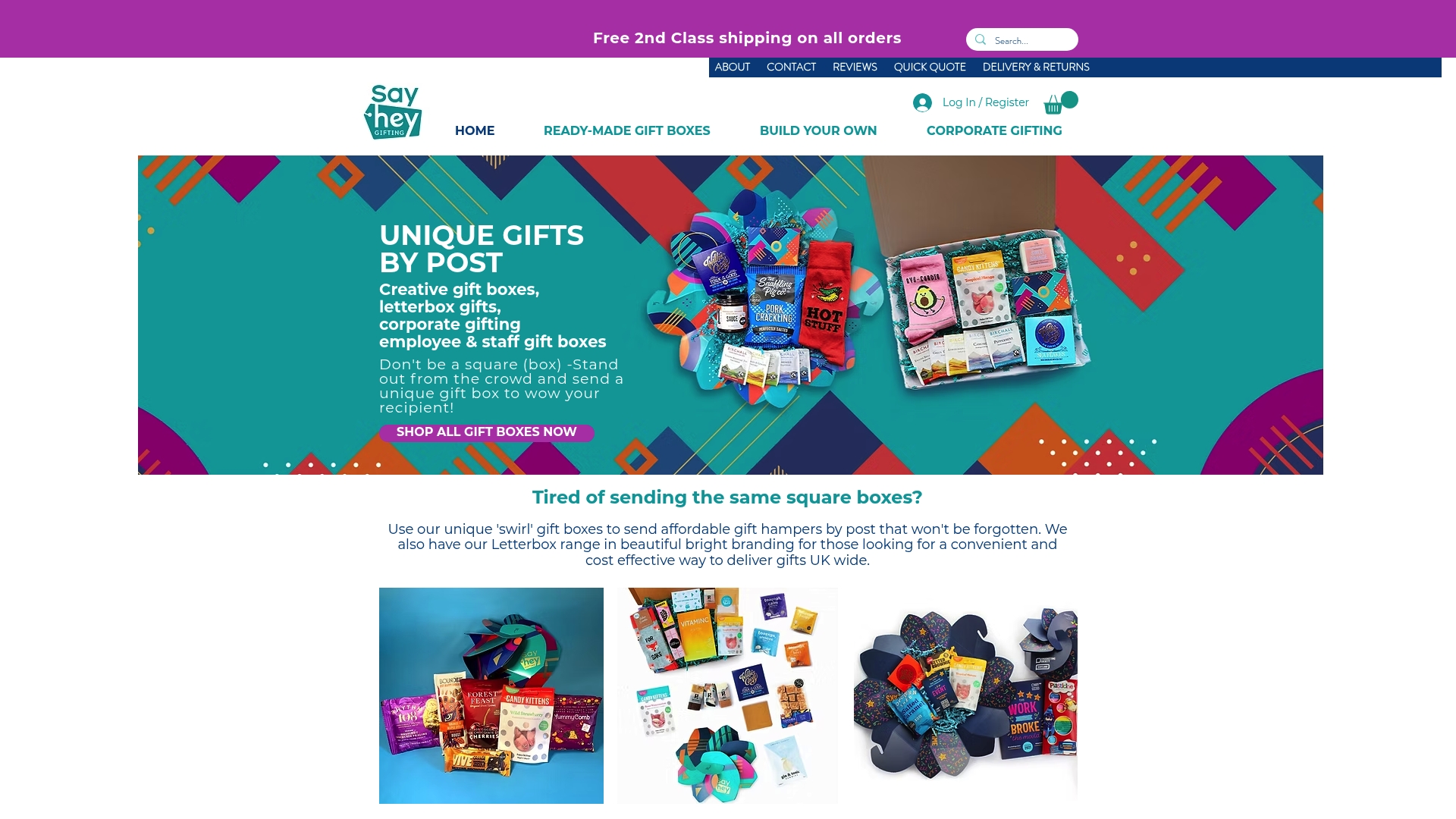
Employee gift boxes for day-one desk drops across a whole floor or department.
Build your own gift box options when different teams need slightly different contents.
Letterbox gifts for remote staff, sent straight to their door with full tracking.
Whether you need one hamper for a visiting client or a few hundred boxes for a full office relocation, our corporate gifting page is the place to start a quote.
FAQ
What is a good gift for a new office opening?
A welcome kit with desk essentials, a branded notebook and a small plant works well for a new office opening, since it is practical and makes the space feel settled immediately. For a more memorable touch, a build-your-own gift box lets you tailor contents to the team.
What to get a coworker who is moving?
A desk-ready item such as a personalised mug, a small plant or a letterbox treat suits a coworker moving offices, since it travels easily and needs no assembly on arrival. Keep it light and personal rather than expensive.
What gift to get someone who just moved?
A simple welcome pack with a handwritten note tends to land better than an elaborate gift, since the gesture matters more than the price for someone adjusting to a new space. A small hamper or wellness item works well if you want something with more substance.
What is the 5 gift rule for adults?
Definitions vary, but a common version groups gifts into five categories: something to wear, something to read, something they want, something they need and something to do together. It is more commonly used for personal gifting occasions than workplace moves, though the idea of variety over volume still applies to office gifting.
Sources
Recommended
Comments