
The role of packaging in corporate gifts
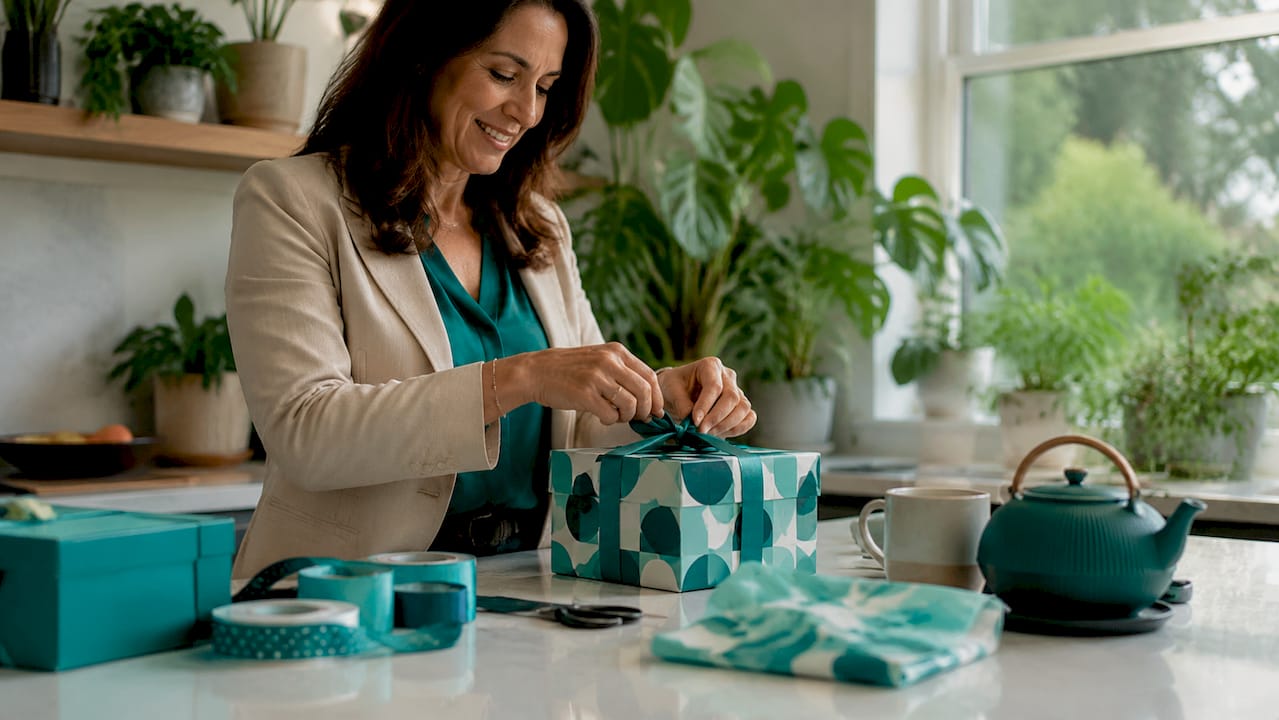
Packaging is the first physical expression of care your organisation delivers before a recipient even sees the gift inside. In corporate gifting, the role of packaging is to amplify perceived value, communicate brand identity, and create a memorable emotional moment that a plain envelope simply cannot replicate. Branded packaging increases perceived value by 45% compared to generic wrapping, and the U.S. corporate gifting market reached $312 billion in 2025 with 68% of companies increasing their budgets. For HR managers and corporate professionals, that data points to one clear truth: how a gift arrives is as strategically significant as what it contains.
How does packaging influence perception in corporate gifting?
Packaging design for corporate gifts shapes how recipients feel about your organisation before the box is even opened. The visual and tactile cues of a well-constructed gift box, from the weight of the board to the finish on the lid, signal thoughtfulness and quality instantly. Branded packaging lifts open rates by 63% and shifts new employees’ perception of their employer positively by 79%. That is not a marginal effect. It is the difference between a gift that feels like a genuine gesture of recognition and one that feels like a budget line item.
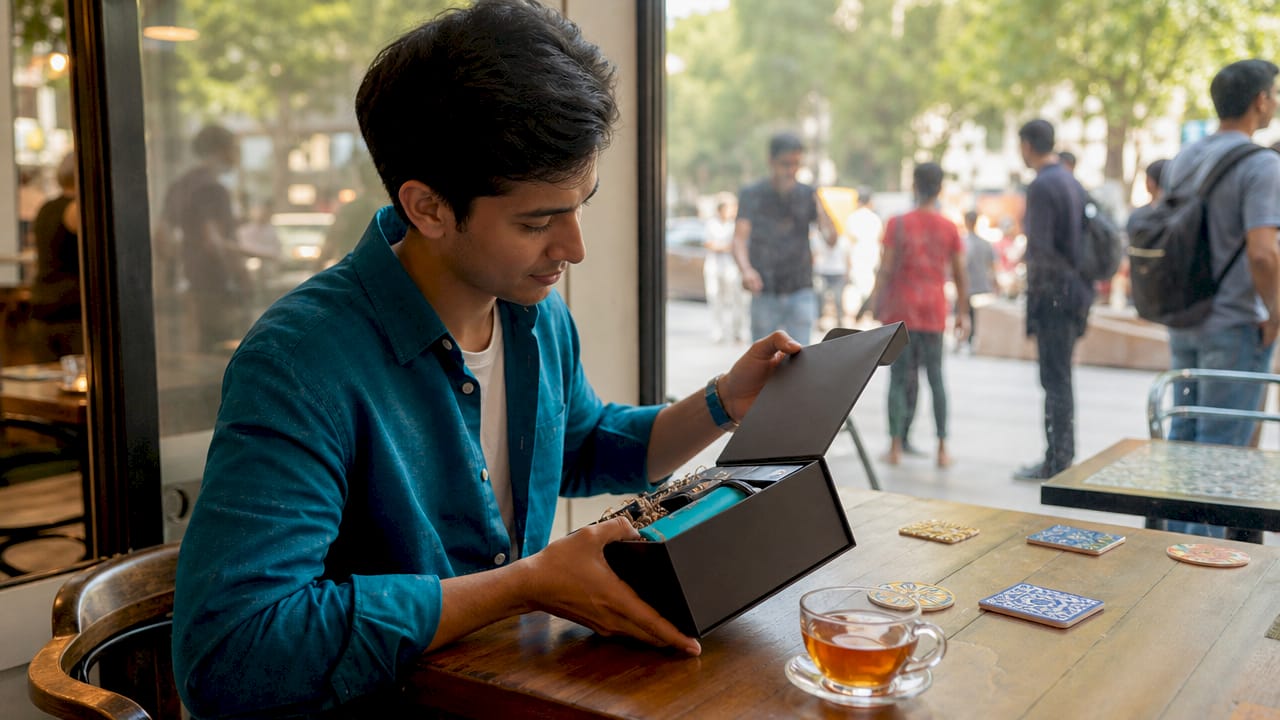
The psychological mechanism at work here is straightforward. When a recipient receives a beautifully presented box, the brain registers prestige and care before any rational evaluation begins. This is why packaging design functions as a brand touchpoint in its own right, communicating values such as attention to detail, generosity, and professionalism without a single word. Physical branded gifts create a tangible connection that fosters belonging and loyalty in ways that cash rewards cannot replicate.
Consider what this means for client relationships. A client who receives a gift in a rigid, foil-stamped box with your brand colours will associate that level of care with your service. The packaging becomes a proxy for your organisation’s standards. For employee gifting, the effect is equally powerful: a well-packaged welcome kit or recognition gift communicates that the individual matters, not just as a resource, but as a person worth celebrating.
“Packages that are kept for storage or display provide ongoing brand exposure long after the gift itself has been used.” — Fastkit Luxury Packaging
Key elements that shape perception through packaging include:
Colour and branding: Consistent use of brand colours and logo placement reinforces recognition and professionalism.
Material weight and texture: Heavier board and soft-touch finishes signal premium quality before the box is opened.
Interior presentation: Tissue paper, ribbon pulls, and branded inserts create a layered reveal that deepens the emotional impact.
Personalisation: A printed name or handwritten card inside a beautifully packaged box transforms a corporate gift into a personal gesture.
Which packaging format suits your budget and volume?
Choosing the right packaging format is a practical decision that balances cost, volume, and the impression you want to create. The three most common formats in corporate gifting are rigid boxes, mailer boxes, and product boxes, and each serves a different purpose depending on your gifting programme.
Format | Cost per unit | Lead time | Best for | Limitation |
Rigid magnetic closure box | £4.50–£12.00 | 3–5 weeks | Premium client gifts, executive recognition | Cost-inefficient under 200 units |
Branded mailer box | £2.00–£3.50 | 1–2 weeks | Staff welcome kits, remote gifting | Less premium tactile feel |
Product box with sleeve | £1.50–£3.00 | 1–2 weeks | Budget gifting, high-volume programmes | Limited interior presentation |
Entry-level branded mailer boxes cost around £2.50 per unit, while rigid magnetic closure boxes range from £5.50 to £15.00 per unit, excluding contents. For most HR teams managing gifting at scale, the mailer box offers the best balance of brand expression and cost efficiency. The rigid box is best reserved for high-value client gifts or senior employee milestones where the premium feel genuinely adds to the occasion.
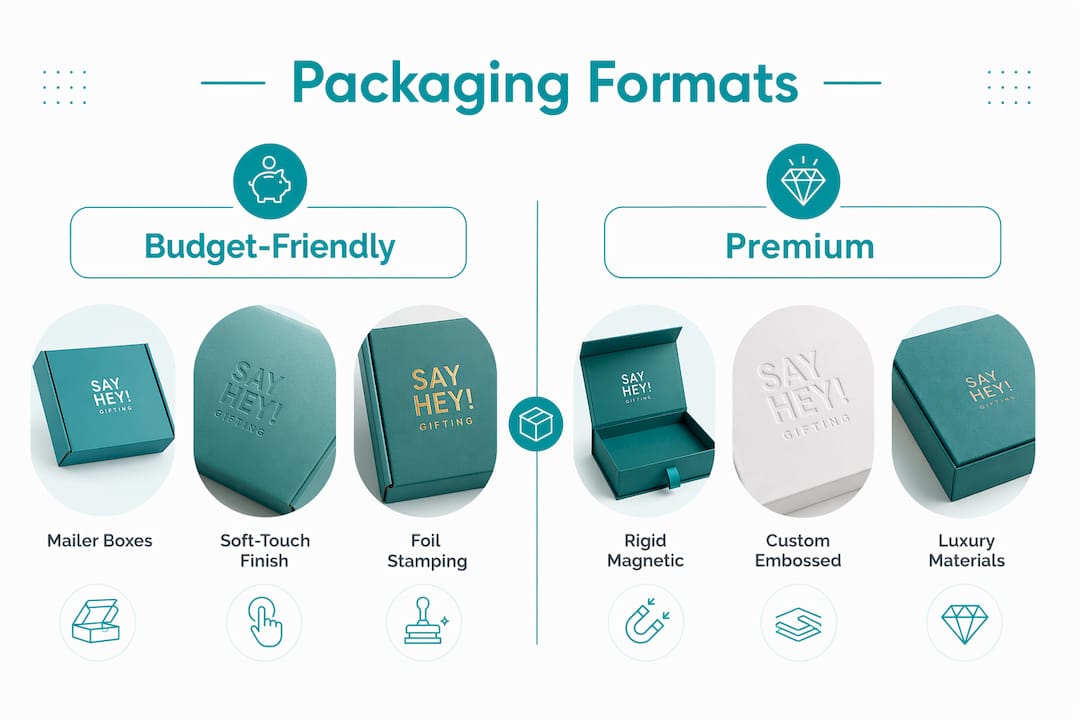
Finishing options are where you can close the gap between formats without significantly increasing spend. Soft-touch lamination gives a matte, velvety surface that feels expensive regardless of the underlying board weight. Foil stamping on a logo or pattern adds a metallic accent that catches the light and reads as luxury. Premium finishing techniques such as soft-touch laminate and foil stamping on lower-cost formats can achieve a strong premium feel within budget. This is one of the most underused strategies in corporate gift packaging.
Pro Tip: For volumes under 200 units, invest in print quality and finishing on a mailer box rather than stretching the budget to a rigid format. The perceived value difference is minimal at small volumes, but the cost saving is significant.
Why does the unboxing experience matter for staff gifts?
The unboxing moment is the emotional peak of the entire gifting experience, and understanding why helps you design it deliberately. Unboxing triggers dopamine release, creating anticipation and emotional intensity that forms a lasting positive impression. The physical act of unwrapping, lifting a lid, and discovering what lies beneath is a ritual that amplifies the perceived generosity of the gift itself. This is why the unboxing experience matters as much in staff gifting as it does in consumer retail.
For remote employees, the importance of this moment is even greater. Packaging serves as the first tangible touchpoint for remote staff, making the physical unboxing a critical engagement moment that replaces the in-person recognition a colleague in the office might receive. A thoughtfully packaged gift box arriving at a home address tells a remote employee that the organisation sees them, values them, and has invested real thought in their experience.
Here are the packaging elements that most effectively enrich the unboxing ritual:
A structured reveal: Tissue paper or a branded liner as the first layer creates a moment of anticipation before the contents are visible.
A personalised card or note: Printed or handwritten, this transforms the experience from transactional to genuinely personal.
Ribbon or pull-tab closures: These slow the opening process slightly, heightening the sense of occasion.
Branded interior print: A message or pattern printed inside the lid reinforces brand identity at the moment of maximum emotional engagement.
Thoughtful product arrangement: Items placed with care, rather than simply packed, communicate that someone considered the recipient’s experience.
One critical pitfall to avoid is what gifting professionals call the ‘mismatch trap’. Mismatch between premium packaging and low-quality contents damages brand perception more than standard packaging with genuinely good gifts. This ‘disappointment deficit’ effect means that raising packaging expectations you cannot meet with the contents actively harms your brand relationship. The lesson is to match packaging quality to gift quality consistently, rather than using packaging to compensate for underwhelming contents.
Sustainability and practicality in corporate gift packaging
Sustainable packaging is no longer a nice-to-have in corporate gifting. It is a direct reflection of your organisation’s values, and recipients notice. Sustainable packaging demonstrates corporate responsibility, enhancing employee pride and brand reputation in ways that standard packaging cannot. When your gift box is made from FSC-certified board, printed with water-based inks, and finished without plastic lamination, the message is clear: your organisation cares about more than the transaction.
Practical packaging design extends the life of your brand touchpoint well beyond the moment of opening. Recipients reuse attractive corporate gift packaging as décor or storage, prolonging brand exposure organically. A rigid box with a clean design and your brand colours becomes a desk organiser, a keepsake box, or a display piece. This is the gift that keeps on giving in the most literal sense.
When building a sustainable corporate gift packaging strategy, consider the following:
Recyclable materials: Corrugated board, kraft paper, and uncoated stock are widely recyclable and signal environmental awareness.
Reusable formats: Rigid boxes and fabric pouches are kept and reused far more often than single-use mailer boxes.
Minimal void fill: Replace polystyrene chips or bubble wrap with shredded kraft paper or moulded pulp inserts.
Printed messaging: A small note inside the box explaining the sustainable materials used reinforces the brand story and gives recipients context for the choices made.
Balancing aesthetics, sustainability, and utility is the hallmark of a mature corporate gift packaging strategy. The organisations that get this right are the ones whose gifts are remembered, shared on social media, and talked about in team meetings long after the contents have been enjoyed.
Key takeaways
Packaging quality directly determines how corporate gifts are perceived, remembered, and shared, making it a strategic investment rather than an afterthought.
Point | Details |
Packaging shapes perception | Branded packaging increases perceived gift value by 45% and lifts open rates by 63%. |
Match format to volume | Mailer boxes with premium finishing outperform rigid boxes for runs under 200 units. |
Unboxing is a strategic moment | Dopamine-driven anticipation makes the reveal as important as the gift itself. |
Avoid the mismatch trap | Premium packaging with poor-quality contents damages brand trust more than plain packaging. |
Sustainability extends brand exposure | Reusable, eco-friendly packaging prolongs brand visibility and reinforces corporate values. |
Craig’s honest view on packaging investment
The most common mistake I see HR teams make is treating packaging as the last decision in the gifting process, something to sort out once the contents are confirmed. In practice, packaging should be one of the first decisions, because it sets the entire tone of the experience and constrains what you can realistically include inside.
I have seen organisations spend generously on gift contents and then ship them in a plain brown box with a printed label. The recipient’s first impression is that the gift was an afterthought, regardless of what is inside. Conversely, I have seen modest gifts arrive in beautifully finished, personalised boxes that sparked genuine excitement and social sharing. The packaging did the heavy lifting.
My practical advice for HR managers is this: allocate at least 15 to 20 percent of your per-gift budget to packaging and presentation. That proportion shifts the experience from functional to memorable. If budget is tight, prioritise finishing over format. A soft-touch laminated mailer box with foil-stamped branding will outperform a plain rigid box every time. And if you are gifting to remote employees, remember that the box arriving at their door is the first physical contact they have with your organisation’s appreciation. Make it count.
For teams looking to explore how packaging trends in 2025 are shaping employee gift experiences, the investment in presentation is only growing more significant as hybrid and remote work becomes the norm.
— Craig
How Sayheygifting makes packaging work for your team
At Sayheygifting, every employee gift box is designed with presentation at its heart, because we know that the moment your team member lifts the lid is the moment your appreciation lands.
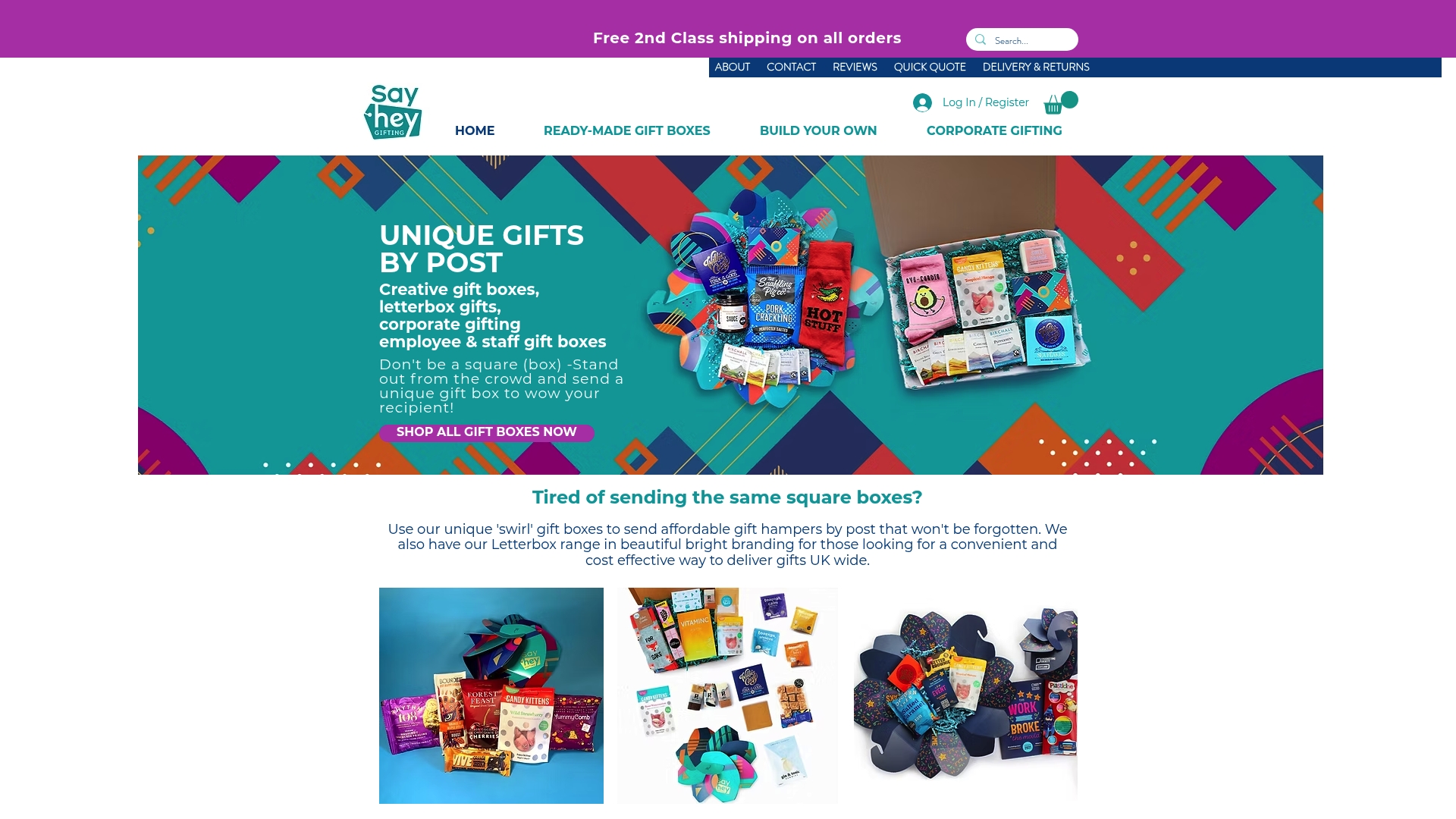
Our employee gift boxes are curated with thoughtful contents and finished with quality branded packaging that reflects your organisation’s care and personality. Whether you are welcoming a new starter, recognising a milestone, or simply saying thank you, Sayheygifting handles the presentation so you can focus on the people. You can also build your own letterbox gift for a fully personalised option that arrives beautifully packaged and ready to delight. Explore our full range at Sayheygifting and discover how the right packaging transforms a good gift into an unforgettable one.
FAQ
How does packaging affect the perceived value of a corporate gift?
Branded packaging increases the perceived value of corporate gifts by 45% compared to generic wrapping. The visual and tactile quality of the packaging signals care and professionalism before the recipient even sees the contents.
What is the most cost-effective packaging format for staff gifts?
For volumes under 200 units, branded mailer boxes with premium finishing such as soft-touch lamination or foil stamping deliver the best value. Rigid magnetic closure boxes are more cost-effective at higher volumes where unit costs reduce significantly.
Why does unboxing matter in staff gift experiences?
Unboxing triggers dopamine release, creating a peak emotional moment that forms a lasting positive impression of the organisation. For remote employees in particular, the physical unboxing is often the primary moment of recognition and connection.
What is the ‘mismatch trap’ in corporate gift packaging?
The mismatch trap occurs when premium packaging raises expectations that the gift contents cannot meet, resulting in a ‘disappointment deficit’ that damages brand perception more than plain packaging with quality contents would.
How can sustainable packaging improve corporate gifting outcomes?
Sustainable packaging materials such as FSC-certified board and recyclable finishes demonstrate corporate responsibility, enhance employee pride, and extend brand exposure when recipients reuse the packaging for storage or display.
Recommended

Comments