
Employee appreciation gift guide for HR teams
- sayheystudio
- Jun 28
- 9 min read

Employee appreciation gifts are defined as tangible or experiential tokens given by employers to recognise individual or team contributions, and they are one of the most direct tools HR managers have to strengthen workplace culture. Effective appreciation programmes correlate with a 43% increase in productivity, according to research from the Haas School of Business. That figure alone makes the case for treating gifting as a programme, not an afterthought. Yet most organisations still rely on generic choices that employees actively dislike. This employee appreciation gift guide gives HR professionals and team managers a practical, personalised, and inclusive framework for getting it right in 2026.
What makes an employee appreciation gift guide work?
Personalisation is the single biggest driver of gift satisfaction. 81% of employees say personalised gifts significantly increase perceived value, based on a survey of more than 1,000 workers. That means a gift with the recipient’s name, a handwritten note, or a product chosen around their interests lands far better than a standard hamper sent to the whole office.
The Five Languages of Appreciation, a framework developed by Dr Gary Chapman and Dr Paul White, offers a practical lens for HR teams. The five languages are words of affirmation, quality time, acts of service, physical touch, and tangible gifts. Not every employee values a physical present above all else. Some respond more to a personal thank-you card or a team lunch. Mapping your team’s preferences before you spend a penny saves budget and builds genuine goodwill.
Knowing what to avoid is equally useful. Stationery, standard office supplies, and plants rank among the least favoured gifts, with 39%, 38%, and 35% of employees disliking them respectively. These items feel impersonal and suggest the giver did not think about the recipient at all.
Personalise with names or messages. Adding a personal message or the employee’s name to a gift boosts perceived value by 81%.
Offer choice where possible. 30% of employees prefer choice-based gifting programmes, where they select from a curated range.
Avoid generic office items. Stationery and standard supplies consistently score lowest in employee satisfaction surveys.
Match the gift to the appreciation language. A wellness hamper suits someone who values tangible gifts; a team experience suits someone who values quality time.
Pro Tip: Ask employees to complete a short preferences form at onboarding. Even three questions about hobbies, dietary needs, and favourite treats give you the data to personalise gifts for years to come.
How to set a budget for recognition gifts for employees
The average employer spends around $64 per employee on appreciation gifts as of 2026. That figure is a useful anchor, but the right budget depends on team size, occasion type, and the seniority of the milestone being recognised.
A tiered approach helps you allocate spend fairly without overstretching. The table below maps budget ranges to appropriate gift types and the occasions they suit best.
Budget per person | Recommended gift type | Best occasion |
Under £10 | Letterbox treat, personalised card, digital voucher | Spot recognition, work anniversary |
£10–£30 | Curated snack box, wellness kit, branded notebook set | Team milestone, quarterly recognition |
£30–£60 | Premium gift hamper, experience voucher, personalised gift box | Promotion, long-service award |
£60 and above | Luxury hamper, high-value experience, bespoke gift set | Senior milestone, exceptional performance |
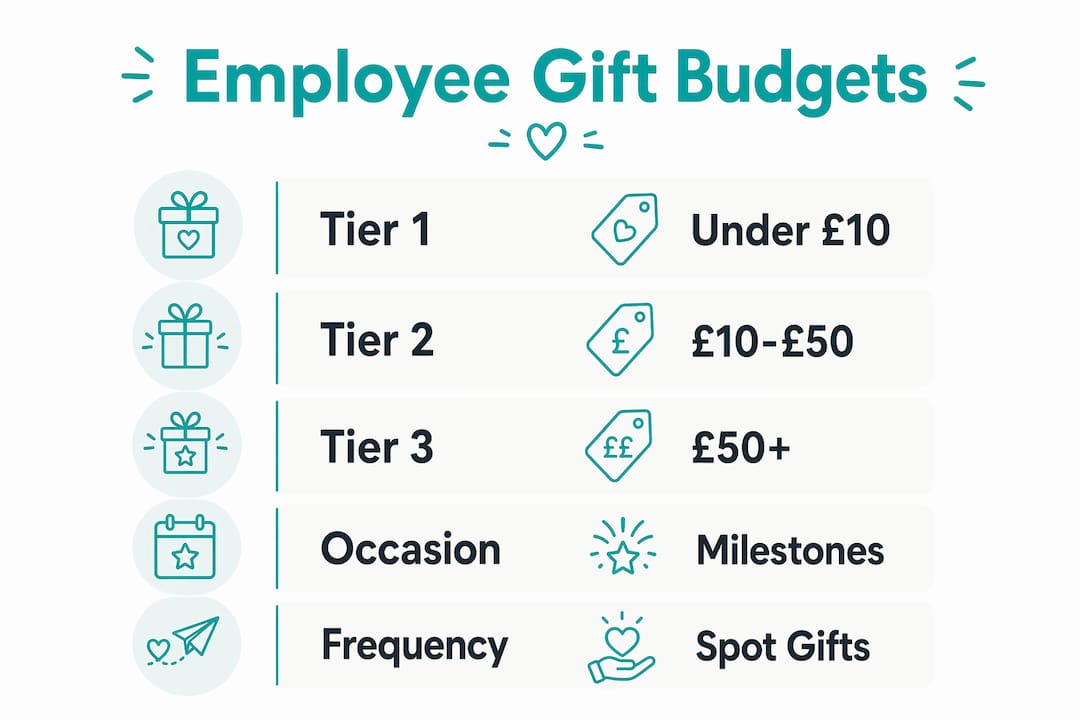
Milestone celebrations, such as a five-year work anniversary or a promotion, justify a higher spend because the recognition is public and lasting. Regular spot recognition, by contrast, works best with smaller, more frequent gestures. The emotional impact of a well-timed £15 letterbox gift delivered the day after a tough project can outweigh a £60 hamper given at an annual party.
Pro Tip: Build a small “recognition reserve” into your annual HR budget, separate from your main gifting line. Even £5 per employee per quarter gives you the flexibility to respond to moments as they happen, rather than waiting for a scheduled event.
Managing delivery and inclusivity for diverse or remote teams
Delivering gifts to a distributed workforce introduces real logistical complexity. Customs duties on physical gifts can range from 0% to 25% depending on destination country, and international delivery windows vary widely. A gift that arrives three weeks late, or not at all, does more harm than good.
The most practical solution for tight deadlines is a curated store approach. Building a curated gift store link for employees to choose from is the recommended method for 2–3 week timelines. Employees receive a link, select their preferred item, and enter their own address. This removes the administrative burden from HR and eliminates the risk of bulk shipments going astray.
For global teams, experience gifts and digital options sidestep shipping issues entirely while offering genuine personalisation. A digital subscription, an online cookery class, or a streaming gift card works across borders without customs complications.
Inclusivity requires deliberate planning, particularly around:
Dietary restrictions. Always offer a non-food alternative or ask for dietary preferences before sending food-based gifts.
Cultural sensitivity. Alcohol-based gifts, pork products, and certain symbols carry different meanings across cultures. When in doubt, choose neutral wellness or experience gifts.
Accessibility. Physical gifts should not require recipients to travel to collect them. Letterbox gifts and direct-to-door delivery remove this barrier.
Language. Personalised messages for international team members should be in their preferred language where possible.
Global gifting success depends on recognising cultural nuances and shifting towards virtual or digital gifting where physical delivery is impractical.
Creative gift ideas for team appreciation by theme
The best gift ideas for team appreciation are those that reflect the recipient’s world, not just the company’s brand. Grouping ideas by theme helps HR managers match gifts to employee personalities and team cultures.
Wellness and self-care
Wellness gifts signal that the organisation values the whole person, not just their output. Curated pamper hampers, aromatherapy sets, sleep kits, and mindfulness journals all sit in this category. These work particularly well for employees who have been through a demanding period and need to feel genuinely cared for.

Personalised and bespoke gifts
A gift with the recipient’s name, a custom message, or a product built around their specific interests creates a lasting memory. Personalised employee gift boxes that combine a handwritten card with curated treats are among the most appreciated options in 2026. The thoughtfulness signals effort, and effort signals genuine recognition.
Experiences and digital gifts
Experience vouchers, online classes, cinema tickets, and restaurant gift cards give employees the freedom to choose how they celebrate. These are especially effective for remote staff, where a physical gift may feel disconnected from the working relationship.
Sustainable and ethical gifts
Sustainable corporate gifts resonate strongly with employees who hold environmental values. Reusable products, organic food hampers, and gifts from ethical suppliers all communicate that the company’s values extend beyond the workplace.
Tech and productivity gifts
Quality wireless earbuds, portable chargers, or a premium notebook and pen set appeal to employees who are motivated by tools that make their work easier. These gifts suit high performers who spend long hours at their desks or on the move.
Pro Tip: For large teams, group employees into three or four preference profiles based on your onboarding data. Assign a themed gift box to each profile. This approach feels personalised without requiring you to source 200 different items.
Common pitfalls to avoid in employee gift programmes
One-size-fits-all gifting is the most common and most damaging mistake in employee appreciation programmes. Sending the same item to every person in the organisation signals efficiency, not care. The gift becomes a reminder of how little the giver knows about the recipient.
Timing matters as much as the gift itself. Spot recognition with smaller, frequent micro-gifts has a stronger psychological impact than annual gifting. A surprise treat delivered the week after a difficult quarter lands with far more emotional weight than a hamper given at the Christmas party alongside everyone else’s.
Transparency in redemption is often overlooked. If employees receive a gift voucher or a choice-based link, the process for claiming it must be simple and clear. Complicated redemption steps create frustration and undermine the appreciation the gift was meant to convey.
“Recognition is most powerful when it is timely, specific, and personal. A gift that arrives six months after the achievement it is meant to celebrate has lost most of its meaning.”
Gathering feedback after each gifting cycle closes the loop. A short two-question survey asking whether the gift felt personal and whether it arrived on time gives HR teams the data to improve the next round. Modern recognition strategies favour immediate, frequent, smaller gifts over annual events precisely because the feedback loop is shorter and the emotional connection is stronger.
Key takeaways
Personalised, timely, and inclusive gifts are the foundation of any employee appreciation programme that genuinely improves morale and productivity.
Point | Details |
Personalisation drives value | Adding a name or message boosts perceived gift value by 81%, making it the highest-impact change you can make. |
Budget by occasion tier | Spot recognition suits gifts under £10; promotions and milestones justify £30–£60 or above. |
Avoid generic items | Stationery, office supplies, and plants are the three least favoured gift categories among employees. |
Solve logistics with choice stores | A curated store link lets employees self-select and enter their own address, removing delivery complexity. |
Frequent micro-gifts outperform annual events | Spot recognition with smaller, timely gifts creates stronger motivation than one large annual gesture. |
Why I think most companies are still getting employee gifting wrong
After years of watching HR teams pour budget into gifting programmes that employees quietly roll their eyes at, I have come to a firm conclusion. The problem is not the budget. The problem is that most organisations treat gifting as a logistics exercise rather than a communication exercise.
The shift I have seen work consistently is moving from “what can we send to everyone” to “what does this specific person need to feel seen right now.” That sounds obvious, but it requires infrastructure. You need preference data, a tiered budget framework, and a supplier who can actually personalise at scale. Most teams have none of these in place.
The other thing I would push back on is the obsession with grand annual gestures. A well-timed letterbox gift sent the Monday after a brutal product launch does more for retention than a Christmas hamper sent to 300 people in december. The frequency and timing of recognition matter more than the size of the gesture.
Cultural inclusivity is the area where I see the most avoidable mistakes. Teams with global members continue to send alcohol-based gifts or food hampers without checking dietary requirements. The fix is straightforward: build a short preferences form into your onboarding process and refer to it every time you plan a gifting round. It takes ten minutes to set up and saves considerable embarrassment.
The best employee appreciation programmes I have encountered treat gifting as a year-round habit, not a calendar event. They use micro-gifts for spot recognition, experience vouchers for milestones, and personalised boxes for promotions. They measure impact with a two-question survey after each round. And they iterate. That is the standard worth aiming for.
— Craig
Sayheygifting makes employee appreciation gifting simple
Choosing the right gift for every person on your team takes time, care, and the right supplier behind you. Sayheygifting specialises in curated employee gift boxes and personalised staff gifts that are designed to feel thoughtful, not transactional.
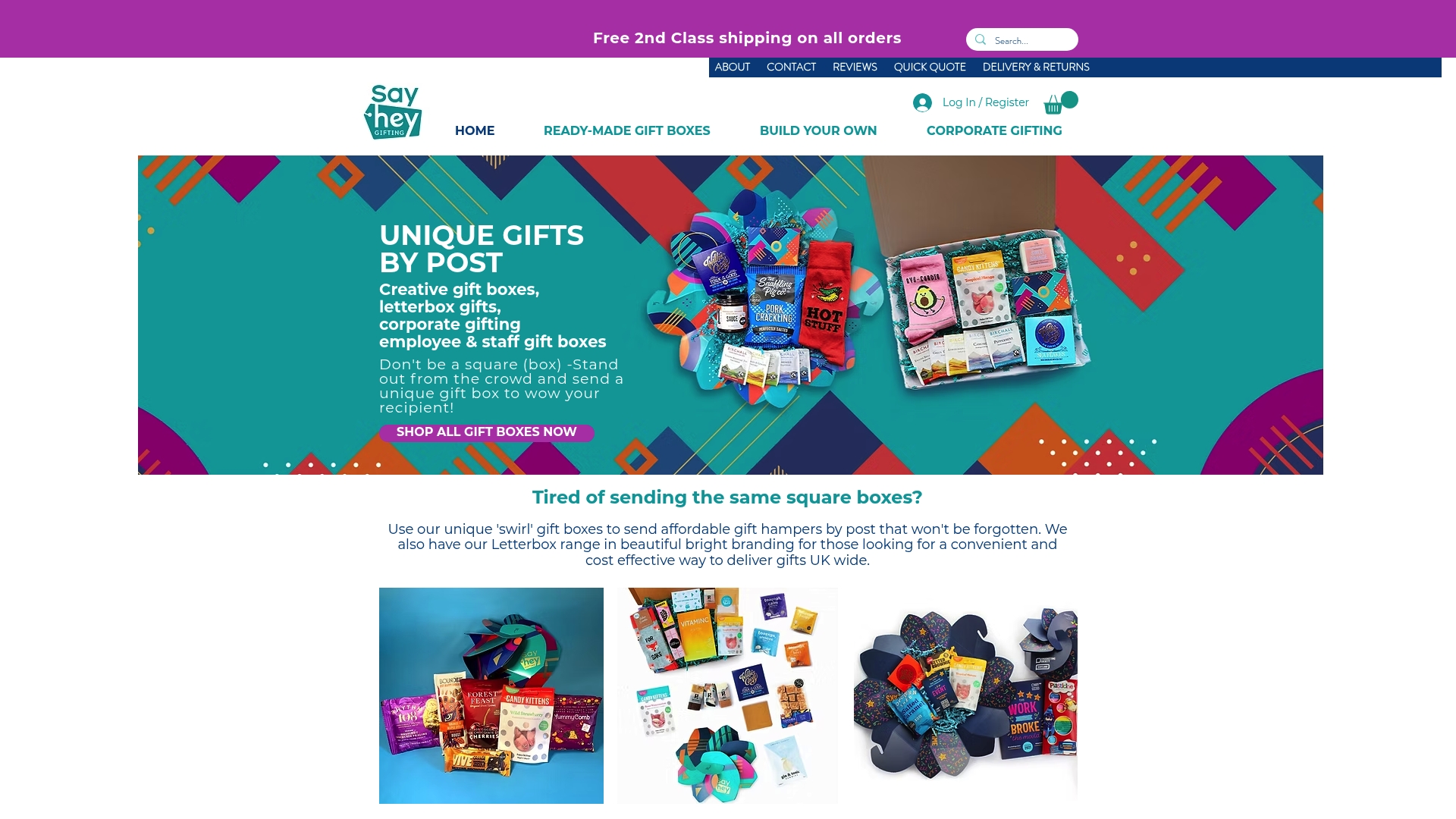
Whether you need a letterbox treat for spot recognition or a premium hamper for a long-service milestone, Sayheygifting offers options at every budget tier. You can build your own gift box to match individual preferences, or choose from ready-made collections that ship directly to your team’s doors. For HR teams managing larger programmes, the corporate gifting range covers everything from branded gift sets to bulk orders with personalised messaging. Your team deserves to feel genuinely appreciated, and Sayheygifting is built to help you make that happen.
FAQ
What is the average budget for employee appreciation gifts?
The average employer spends around $64 per employee on appreciation gifts as of 2026. For UK teams, a tiered approach ranging from under £10 for spot recognition to £60 or above for milestone awards gives the most flexibility.
Why do personalised gifts work better than generic ones?
81% of employees say personalised gifts significantly increase perceived value. Adding a name, a handwritten message, or a product chosen around the recipient’s interests signals genuine thought and effort.
How do you manage gift delivery for remote or global teams?
Experience gifts and digital vouchers avoid customs complications entirely and work across borders. For physical gifts, a curated store link where employees self-select and enter their own address removes the logistics burden from HR.
How often should you give employee appreciation gifts?
Spot recognition with smaller, frequent micro-gifts has a stronger psychological impact than annual gifting. Aim for a mix of timely spot recognition throughout the year and larger milestone gifts for promotions or long-service anniversaries.
What gifts do employees dislike most?
Stationery, standard office supplies, and plants are the three least favoured gift categories, with 39%, 38%, and 35% of employees disliking them respectively. Avoid anything that feels like a functional office item rather than a personal gesture.
Recommended
Comments