
Employee gift giving occasions: your 2026 HR guide
- sayheystudio
- Jul 5
- 8 min read

Employee gift giving occasions are defined as the specific milestones, events, and moments in the working year when organisations formally recognise their people with a thoughtful gift. Getting these occasions right matters more than most HR teams realise. O.C. Tanner research shows that frequent, smaller spot recognitions can reduce employee attrition by 29% and increase quality of work by 12 times compared to single large annual gifts. That single finding should reshape how you plan your entire gifting calendar. Sayheygifting works with HR teams across the UK to make this kind of year-round recognition feel effortless and genuinely personal.
1. What are the top employee gift giving occasions?
The most impactful gifting occasions fall into six clear categories. Each one serves a different emotional purpose, and understanding that distinction helps you allocate budget where it creates the most lasting impression.
Work anniversaries and service milestones. These are the cornerstone of any employee gifting programme. A one-year anniversary signals that someone has chosen to stay. A five or ten-year milestone deserves something genuinely memorable.
Birthdays. Optional but powerful. A personalised birthday gift tells an employee they are seen as an individual, not just a headcount. Keep it consistent across the team to avoid any perception of favouritism.
Holiday season gifts. The most universally expected gifting moment of the year. December gifts, whether hampers, letterbox treats, or food vouchers, create a shared sense of celebration and gratitude.
Onboarding welcome gifts. First impressions shape long-term loyalty. A thoughtful welcome kit on day one communicates your culture before a single meeting takes place.
Spot recognition. Immediate, informal acknowledgement of great work. These gifts are small in value but high in impact because they arrive at the exact moment the effort is made.
Personal milestones. Weddings, new babies, and bereavements all deserve acknowledgement. These moments sit outside the professional sphere but they define how employees feel about their employer as a human organisation.
2. How to budget and tier your gifts across occasions
Budgeting for staff recognition gifts requires a tiered approach, not a flat annual spend. Annual per-employee budgets vary significantly by company size: small teams typically spend £25–£150 per person, mid-market organisations spend £150–£400, and enterprise employers spend £200–£600 or more. Spreading that budget across multiple touchpoints throughout the year produces better results than concentrating it in one event.

The table below shows recommended gift value tiers by occasion type, aligned with current 2026 standards.
Occasion | Recommended spend | Purpose |
Birthday or spot award | £25–£50 | Frequent, low-cost recognition |
Onboarding welcome kit | £50–£100 | First impression and culture signal |
Mid-tenure anniversary (3–5 years) | £75–£150 | Loyalty acknowledgement |
Long-service milestone (10+ years) | £150–£300+ | Meaningful, memorable recognition |
Holiday season gift | £25–£75 | Broad team appreciation |
Standardised gifting tiers reduce manager guesswork and protect against perceptions of unfairness. Consistency in gift value across the organisation matters more than the absolute amount spent.
Companies allocating 1%–2% of total payroll to recognition programmes see measurably better engagement. Around 60% of that budget should cover predictable, planned occasions such as anniversaries and holidays. The remaining 40% funds discretionary spot awards and personal milestone gifts.
Pro Tip: Build your gifting calendar at the start of the financial year. Map every employee’s work anniversary and birthday into a shared HR calendar so no occasion slips through unnoticed.
3. Tax, compliance, and gifting format considerations
Tax rules catch many HR managers off guard, and the consequences of getting them wrong fall on your payroll team. The core rule is straightforward: gift cards are taxable income to the recipient regardless of the amount, and must be reported through payroll. Tangible, low-value gifts may qualify as de minimis fringe benefits and fall outside taxable income entirely.
In the UK, HMRC’s trivial benefits exemption allows employers to give gifts worth up to £50 per employee without triggering a tax charge, provided the gift is not cash or a cash voucher, is not a reward for performance, and is not part of a salary sacrifice arrangement. Physical gifts such as hampers, letterbox gift sets, or branded merchandise typically qualify. Gift cards do not.
Key compliance points to build into your gifting policy:
Avoid cash equivalents. Gift cards and prepaid cards require payroll reporting. Physical gifts avoid this burden entirely.
Set a manager gift limit. Without a written policy, managers may give gifts of wildly different values, creating both tax risk and morale damage.
Coordinate with payroll before the holiday season. Misreporting gift card spend causes complications at tax year-end that are entirely avoidable.
Document every gifting decision. A simple log of what was given, to whom, and at what value protects the organisation during any HMRC review.
Use a centralised gifting platform. Centralised systems track spend, prevent duplicate gifting, and give employees greater choice, all while keeping your finance team in control.
Pro Tip: Holiday hampers and food gifts often qualify under HMRC’s trivial benefits exemption. Grocery vouchers redeemable at thousands of stores can also offer tax advantages when structured correctly. Always confirm with your payroll adviser before rolling out a new gifting format.
4. What types of gifts work best for each occasion?
The format of a gift matters as much as its value. A £50 gift that feels personal and considered will outperform a £100 gift that feels generic every time. Personalisation in employee gifts, such as embroidered names, handwritten notes, or messaging tailored to the recipient, greatly enhances emotional value and long-term attachment to the gift.
Onboarding welcome kits. Include branded but practical items: a quality notebook, a reusable cup, a personalised welcome card, and perhaps a small treat. The goal is warmth, not expense. Sayheygifting’s employee gift boxes are well suited to this occasion.
Work anniversaries. Branded merchandise works well at the one-year mark. For longer-service milestones, move towards experience-led or choice-based gifts that feel genuinely special rather than corporate.
Holiday season. Hampers, letterbox gift sets, and food treats are the most universally appreciated format. They feel celebratory without being personal in a way that risks missing the mark.
Spot recognition. Small, flexible options work best here. A letterbox gift delivered to someone’s home the day after a big project lands creates a moment they will remember and talk about.
Personal milestones. A “hug in a box” style hamper or a thoughtfully curated gift set communicates genuine care. These gifts should feel warm rather than corporate.
Choice-based gifting increases employee satisfaction and perceived gift value compared to pre-selected physical gifts. Allowing employees to select from a curated range reduces gift fatigue and improves engagement. For teams with diverse tastes, this approach is particularly effective.
Sustainability and inclusivity are also shaping gift choices in 2026. Employees increasingly notice when gifts are thoughtfully sourced, plastic-free, or aligned with values they care about. These details signal that your organisation pays attention.
5. How to build a year-round gifting programme
A gifting programme that only activates at Christmas is not a recognition programme. It is a tradition. The difference matters because traditions feel expected, while recognition feels earned and personal. Spreading recognition budget across several occasion types improves morale more than focusing spend on a single annual event.
Map your gifting calendar. List every planned occasion for the year: all work anniversaries, the holiday season, onboarding dates for planned new hires, and any company-wide celebration days. This is your employee gifting calendar 2026 baseline.
Assign budget by tier. Use the tier table from section two as your starting point. Adjust for team size and company culture, but keep the tiers consistent across departments.
Automate where possible. HR platforms and centralised gifting tools can trigger gift orders automatically on anniversary dates. This removes the risk of missed occasions and reduces the administrative burden on managers.
Pair every gift with recognition. A gift delivered without a personal note or public acknowledgement loses half its impact. Write a specific, genuine message that names what the employee did and why it mattered.
Review the programme quarterly. Track which occasions generated the most positive feedback. Adjust spend and gift types based on what your team actually values, not what you assume they value.
Ensure equity across the organisation. Every employee at the same tenure level should receive the same tier of gift. Standardising gifting tiers reduces manager burden and enforces equitable treatment, avoiding the morale damage that comes from perceived favouritism.
For practical inspiration on year-round appreciation ideas, it helps to see how other HR teams have structured their programmes across different industries and team sizes.
Key takeaways
A year-round gifting programme built on clear occasion tiers, consistent spend, and physical gifts outperforms any single-event approach to employee recognition.
Point | Details |
Spread recognition across the year | Multiple gifting touchpoints outperform a single annual gift for morale and retention. |
Use standardised spend tiers | Set clear budgets by occasion type to maintain fairness and reduce manager guesswork. |
Choose physical gifts over gift cards | Tangible gifts often qualify for HMRC’s trivial benefits exemption; gift cards do not. |
Personalise every gift | A handwritten note or personalised item significantly increases the emotional value of any gift. |
Automate your gifting calendar | HR tools that trigger gifts on anniversary dates prevent missed occasions and reduce admin. |
Why frequency beats size every time
The most common mistake I see HR teams make is saving the budget for one big moment. A lavish Christmas hamper is lovely. But if an employee has gone eleven months without a single word of recognition, that hamper lands in a very different emotional context than it would in a team that feels genuinely valued all year round.
What I have found, working with organisations of all sizes, is that the gift itself is rarely what people remember. They remember the timing. They remember that someone noticed. A £30 letterbox gift arriving the day after a tough project wraps up creates more goodwill than a £150 gift voucher handed out in a group email in december.
The other thing worth saying plainly: clear policies protect everyone. When managers have written guidance on what to spend and when, they stop second-guessing themselves and start actually doing it. The absence of a policy is not neutrality. It is an invitation for inconsistency, and inconsistency is what damages morale.
Choice-based gifting is the format I recommend most often for teams with diverse demographics. Letting someone choose their own gift from a curated range removes the risk of missing the mark entirely. It also signals respect for individual taste, which is its own form of recognition.
— Craig
Sayheygifting: gifts for every occasion, all year round
Planning a year-round recognition programme means having a gifting partner who can deliver the right thing at the right moment, without the faff of sourcing, packing, and posting yourself.
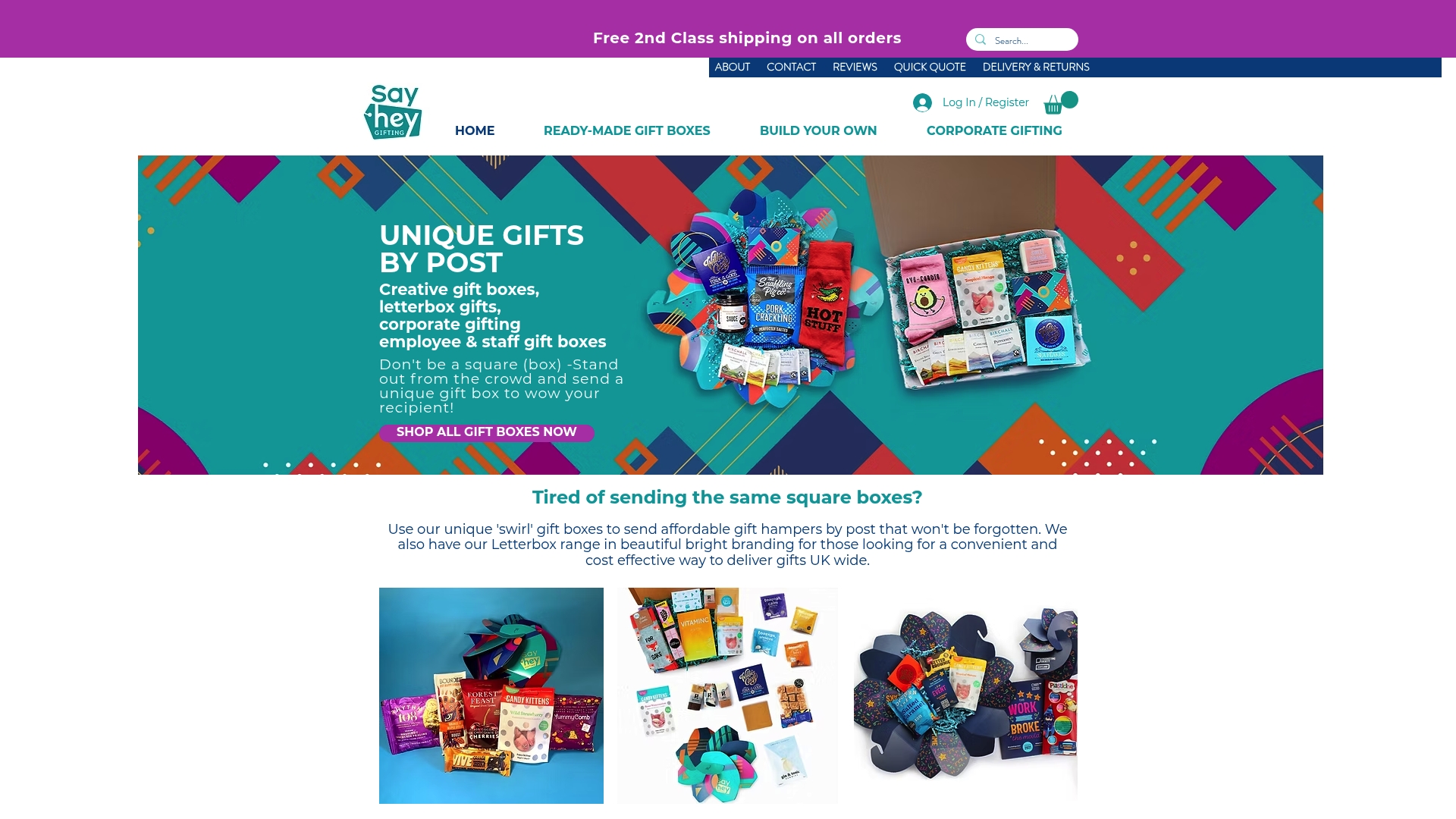
Sayheygifting specialises in corporate gifting solutions designed for exactly this kind of structured, occasion-led approach. From personalised employee gift boxes for onboarding and anniversaries to festive letterbox sets for the holiday season, every product is ready to send directly to your team across the UK. You can build your own gift box, choose from ready-made hampers, or order in bulk for large teams. Whatever the occasion, Sayheygifting makes it straightforward to show your people they matter.
FAQ
What are the most important employee gift giving occasions?
Work anniversaries, birthdays, the holiday season, onboarding, spot recognition, and personal milestones such as weddings or new babies are the six core occasions. Each serves a distinct emotional purpose within a recognition programme.
How much should employers spend on employee gifts?
Recommended spend ranges from £25–£50 for birthdays and spot awards, £50–£100 for onboarding and mid-tenure anniversaries, and £150–£300 or more for long-service milestones, depending on company size and budget.
Are employee gifts taxable in the UK?
Physical gifts up to £50 per employee often qualify under HMRC’s trivial benefits exemption and are not taxable. Gift cards and cash equivalents are always taxable and must be reported through payroll regardless of the amount.
How often should companies give employee gifts?
A year-round model with four to six gifting touchpoints per employee produces better engagement and retention outcomes than a single annual gift. Frequent, smaller gestures carry more impact than one large event.
What types of gifts work best for staff recognition?
Personalised physical gifts, hampers, letterbox sets, and choice-based gifting options consistently outperform generic gift cards. Personalisation, such as a handwritten note or a name on the packaging, significantly increases the perceived value of any gift.
Recommended
Comments