
Gift box ribbon and branding explained for corporate gifting

For corporate gifting in the UK, specify a Pantone-matched satin or grosgrain ribbon (20mm width for standard boxes), request woven or screen-printed logo reproduction, and always order factory-tied boxes. Sayheygifting works with branding teams to deliver exactly this level of consistency at scale, and logo ribbons increase brand visibility through photography and social sharing, extending your reach well beyond the original recipient.
Quick brief you can copy now:
Material: Satin (luxury feel) or grosgrain (structured, professional)
Width: 20mm for medium boxes; a width suited for premium hampers and rigid boxes
Print method: Woven logo for durability; screen-print for colour-rich designs
Delivery state: Factory-tied, quality-checked at source
Table of Contents
What width and tie style should you specify for each box size?
How do you choose a sustainable ribbon without losing brand impact?
What are realistic MOQs, lead times, and costs for UK orders?
How Sayheygifting approaches ribbon strategy for corporate clients
Sayheygifting makes branded corporate gifting straightforward
Why does ribbon matter so much for brand perception?
A tied ribbon does something no sticker or printed sleeve can replicate: it converts a parcel into a gift. Packaging design experts describe the ribbon tie as a universal gifting signal, one that triggers an emotional response of being genuinely gifted rather than merely receiving a shipment. That shift in perception happens before the recipient even opens the box.
A branded ribbon provides a low-cost, high-impact branding surface that recipients engage with almost immediately during unboxing, signalling care and exclusivity. Three reasons it outperforms other packaging details:
Tactile engagement: Recipients physically handle the ribbon to untie it, creating a multi-sensory brand moment that flat print cannot match.
Reusability and recall: A beautiful ribbon is often kept and reused, meaning your brand travels beyond the original unboxing.
Photography and social sharing: Logo ribbons act as a mini billboard in unboxing photography, amplifying brand visibility organically across social channels.
The ribbon also functions as a repeatable cue. Every time a recipient or colleague sees that tied box, the brand association is reinforced before a single product is revealed.
Which ribbon material sends the right brand signal?
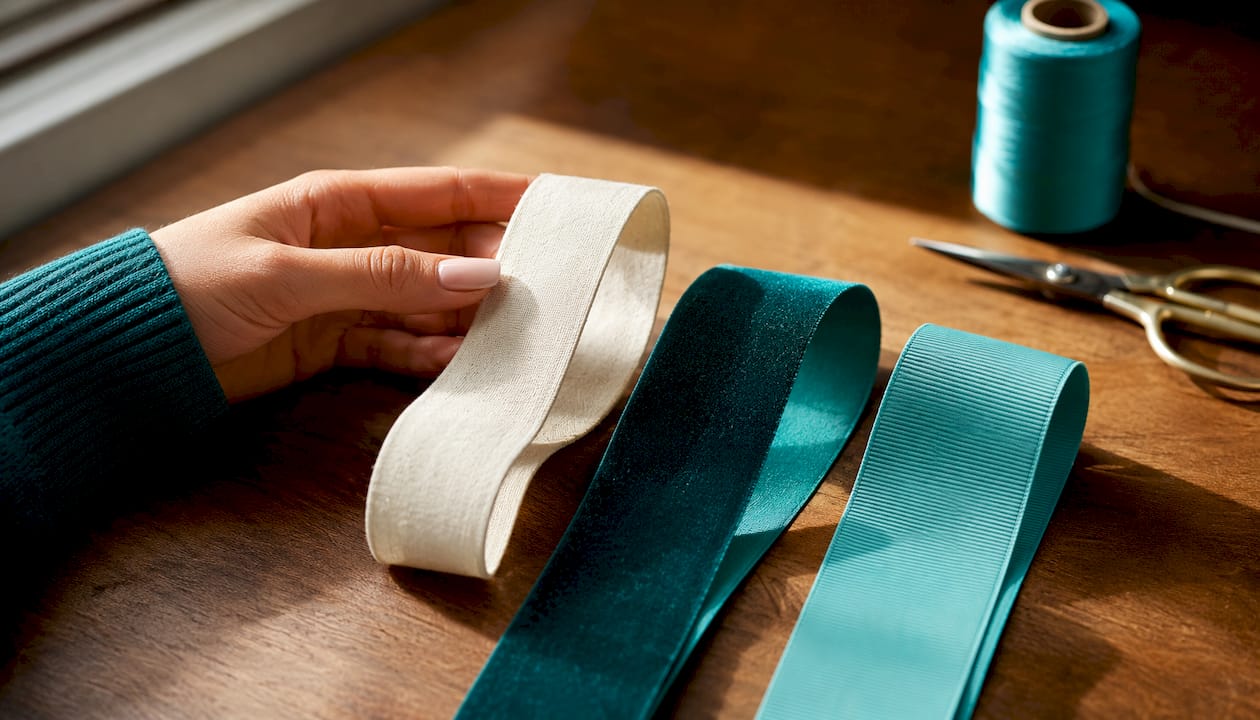
The material you choose speaks before your logo does. For most corporate gifting programmes, three materials do the heavy lifting:
Satin reads as glossy, smooth, and luxurious. It drapes beautifully and photographs well, making it the go-to for premium client gifts and milestone recognition boxes.
Grosgrain has a ribbed, matte texture that reads as structured and professional. It holds a bow shape firmly, which matters for factory-tied consistency across large runs.
Woven polyester offers the best logo fidelity of any ribbon type. The weave structure holds fine detail and colour with precision, making it ideal when your logo contains intricate linework or tight typography.
Cotton and velvet ribbons carry warmth and tactility, but both present challenges at scale: cotton can absorb dye inconsistently, and velvet is difficult to print on cleanly. Paper tape-style ribbons suit sustainability briefs but sacrifice the drape and bow structure that make unboxing feel ceremonial.
Pro Tip: Prioritise Pantone-matched standard ribbon at scale rather than one-off luxury textures. A consistent grosgrain in your exact brand colour builds longer-term recognition than a beautiful velvet ribbon in an approximate shade.
For creative packaging ideas that combine ribbon with other brand signals, the examples of creative gift packaging on the Sayheygifting blog show how material choices translate into real unboxing moments.
How do you get accurate brand colour and logo on ribbon?
Colour fidelity is where most corporate ribbon briefs go wrong. The fix is straightforward: specify Pantone references and demand a physical strike-off before approving production. A digital proof on screen will never show you how a colour behaves on satin versus grosgrain under office lighting.
Reproduction methods compared:
Screen printing: Cost-effective for solid colours and simple logos; best for runs where colour richness matters more than fine detail.
Digital/heat transfer printing: Handles photographic or gradient artwork; UV-resistant inks keep print crisp across conditions, though the finish can feel slightly less premium than woven.
Woven logos: The most durable and tactile option. Fidelity is excellent for logos with clear shapes, but very fine lines or small text can lose definition in the weave structure.
Design repetition lengths vary widely for printed repeats. When specifying repeat spacing, photograph a tied sample first: a logo that looks well-spaced on a flat roll can disappear into the knot or fall awkwardly on the front face of the box.
Pro Tip: Mock up or photograph a tied sample before signing off on repeat placement. A logo centred on the flat ribbon often sits off-centre once the bow is tied.
What width and tie style should you specify for each box size?
Width and tie style are the two most practically consequential decisions in a ribbon brief, yet they are often left vague. Match ribbon width to item value: narrow for small items, wider and more tactile for premium gift sets.
Box format | Recommended width | Suggested tie style |
Small letterbox (A5 depth) | 10–15mm | Simple flat bow |
Medium gift box | 20mm | Double-loop bow |
Premium rigid box | 20mm or wider | Wrap-and-tuck with full bow |
Large hamper or gift set | 20mm or wider | Double-loop or layered ribbon |
Placement and ergonomics:
Specify slit placement on the dieline early; slits cut after box production are less precise and can weaken the board.
A ribbon-tie closure should allow the recipient to untie without tearing the box walls — test this with your actual box weight and board thickness.
Centre the bow on the front face rather than the top lid for maximum visual impact in photography and on desks.
For a practical sense of how different tie styles look on real box formats, the 15 innovative approaches to a unique gift box guide is a useful visual reference.
How do you choose a sustainable ribbon without losing brand impact?
Recycled polyester (rPET) and certified organic cotton can retain a premium look while meaningfully lowering lifecycle impact, but both carry trade-offs worth understanding before you brief a supplier.
Recycled PET ribbon: Closely matches virgin polyester in appearance and durability; the most practical sustainable swap for most corporate programmes.
Organic cotton ribbon: Soft and warm in feel, but dye uptake can vary batch to batch, which creates colour consistency risk on Pantone-critical briefs.
Paper tape-style ribbons: Fully compostable and increasingly popular for ESG-led gifting, though they lack the drape and bow structure of fabric ribbons.
Biodegradable fibres: Emerging options with genuine environmental credentials, though supply-chain transparency and print quality vary widely between suppliers.
Practical mitigation: design ribbons for reuse (a beautiful ribbon encourages recipients to keep it), include a small material label or card noting the ribbon’s credentials, and ask suppliers for chain-of-custody documentation. UK corporate recipients increasingly notice these details, particularly in sectors with public ESG commitments.
What are realistic MOQs, lead times, and costs for UK orders?
Plan for sampling and allow time for Pantone strike-offs. MOQs vary significantly by method and directly affect unit price, so understanding the tiers before you brief saves costly surprises.
Option | Typical MOQ | Indicative unit cost | Lead time |
Stock ribbon + custom folding box | — | — | 2–3 weeks |
Custom ribbon + rigid box | — | — | 3–5 weeks |
Fully custom premium | — | — | 5–8 weeks |
Indicative figures from wholesale supplier data; UK pricing will vary by supplier and currency.
Factory-tied delivery adds a small per-unit cost but is worth every penny for large runs. Shipping loose ribbon to a fulfilment centre and expecting consistent bows is a reliable route to off-centre knots and complaints.
What should your supplier brief include?
A precise brief reduces errors and protects visual consistency. Send every one of these fields:
Pantone reference(s): Coated or uncoated, specified clearly.
Ribbon material: Satin, grosgrain, woven polyester, or sustainable alternative.
Width and length per unit: In millimetres; include tail length for the finished bow.
Logo artwork: Vector file (AI or EPS); include minimum clear space rules.
Repeat length: In inches or centimetres; specify how many repeats per metre.
Printing method: Screen, digital, heat transfer, or woven.
Slit placement: On the box dieline, with measurements from each edge.
Finished tie state: Factory-tied and quality-checked, not loose on a roll.
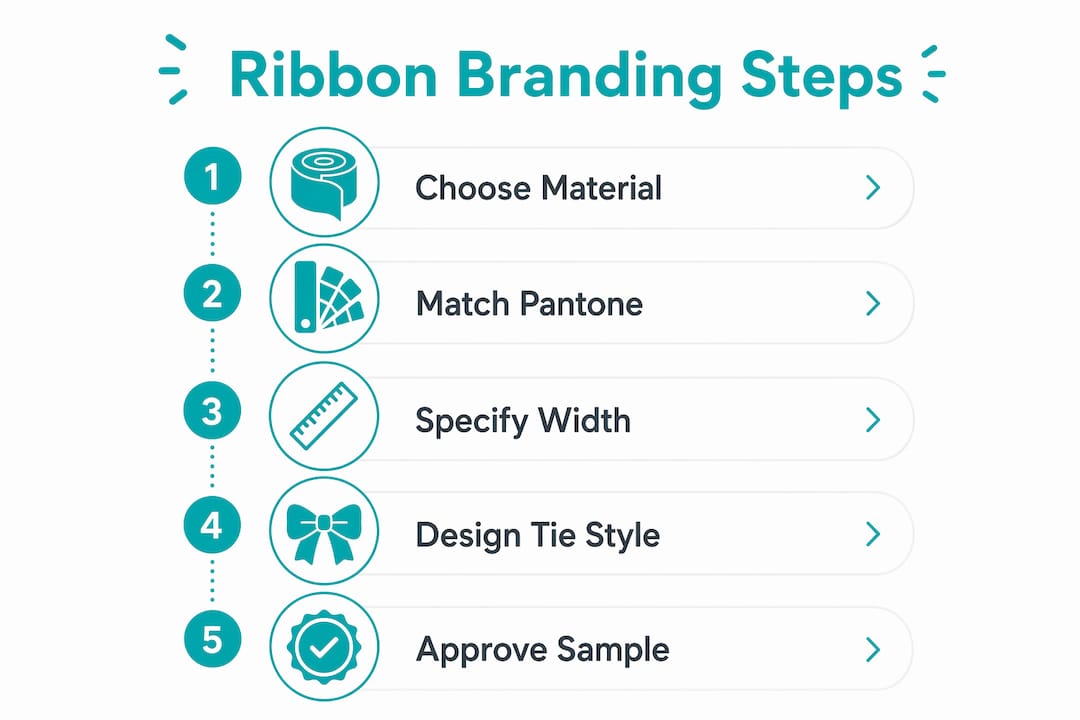
Sample approval steps: Physical strike-off required before production sign-off.
Packaging and transit protection: Specify how finished boxes should be packed to prevent bow crushing in transit.
Always request a physical strike-off on the actual ribbon material before approving the full run. Screen colour and real-world colour diverge, particularly on satin.
How Sayheygifting approaches ribbon strategy for corporate clients
A typical Sayheygifting corporate brief starts with the brand guidelines: Pantone references, logo files, and the tone the client wants to convey. From there, material and width are matched to the box format and the perceived value of the contents.
The outcomes Sayheygifting consistently observes: fewer presentation inconsistencies versus loose-ribbon fulfilment, stronger client feedback on perceived effort, and ribbons that recipients reuse, extending brand visibility beyond the original moment. Corporate gift boxes can integrate ribbon with embossing, interior print, and branded inserts to create a fully cohesive presentation that supports long-term client loyalty.
Key takeaways
Ribbon is the single most cost-effective branding surface in corporate gift packaging: specify Pantone, choose material by brand signal, and always order factory-tied.
Point | Details |
Pantone-match first | Specify Pantone references and demand a physical strike-off before approving any production run. |
Material signals brand personality | Satin for luxury, grosgrain for structured professionalism, woven polyester for logo fidelity. |
Width scales with box value | Use 10–15mm for small boxes, 20mm for medium, and 20mm or wider for premium rigid boxes and hampers. |
Factory-tied delivery is non-negotiable | Pre-tied, quality-checked boxes eliminate inconsistent presentation at the recipient end. |
Sayheygifting for corporate ribbon briefs | Sayheygifting delivers Pantone-matched, factory-tied corporate gift boxes for UK branding teams. |
A practitioner’s view on ribbon as a brand instrument
Ribbon is consistently underestimated in corporate gifting briefs, treated as a finishing detail rather than a primary brand surface. The brands that get the most from their gifting programmes treat the ribbon with the same rigour they apply to a business card or a pitch deck cover: exact colour, correct weight, and consistent execution every time.
The most common pitfall? Approving a digital proof and skipping the physical strike-off. Colour on screen and colour on satin are genuinely different things, and discovering that difference after 2,000 boxes have been tied is an expensive lesson.
Sayheygifting makes branded corporate gifting straightforward
When you want employee gift boxes that arrive looking considered and on-brand, Sayheygifting handles the ribbon specification, Pantone matching, and factory-tied presentation for you. No chasing multiple suppliers, no inconsistent bows, and no last-minute surprises.
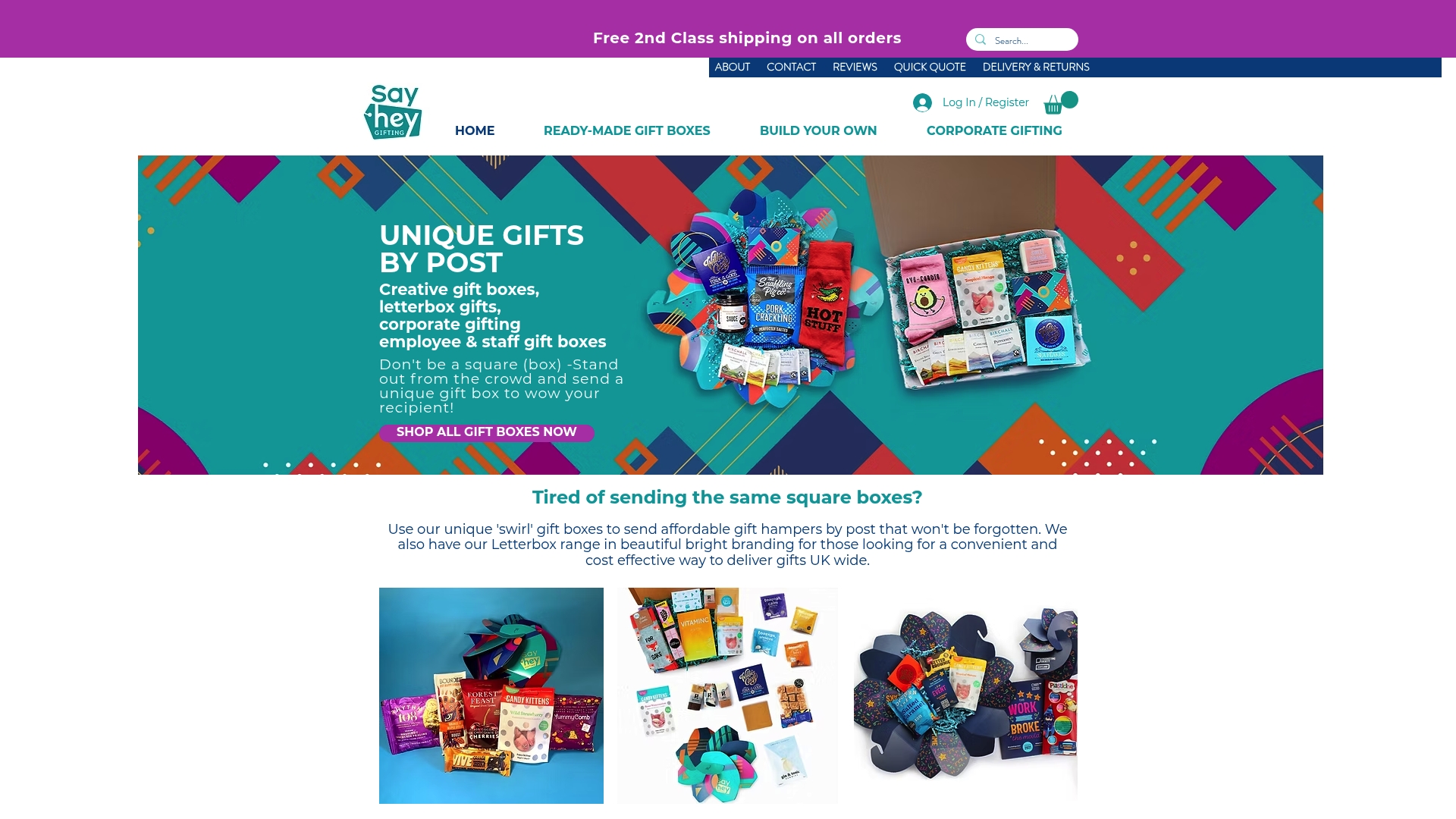
Whether you need a single product to test or a full corporate gifting programme, you can build your own gift box to explore formats and ribbon options at lower volumes before committing to a larger run. Get in touch with the Sayheygifting team to request a sample or discuss your brief.
Recommended

Comments