
Eco-friendly gift box explained: your 2026 guide
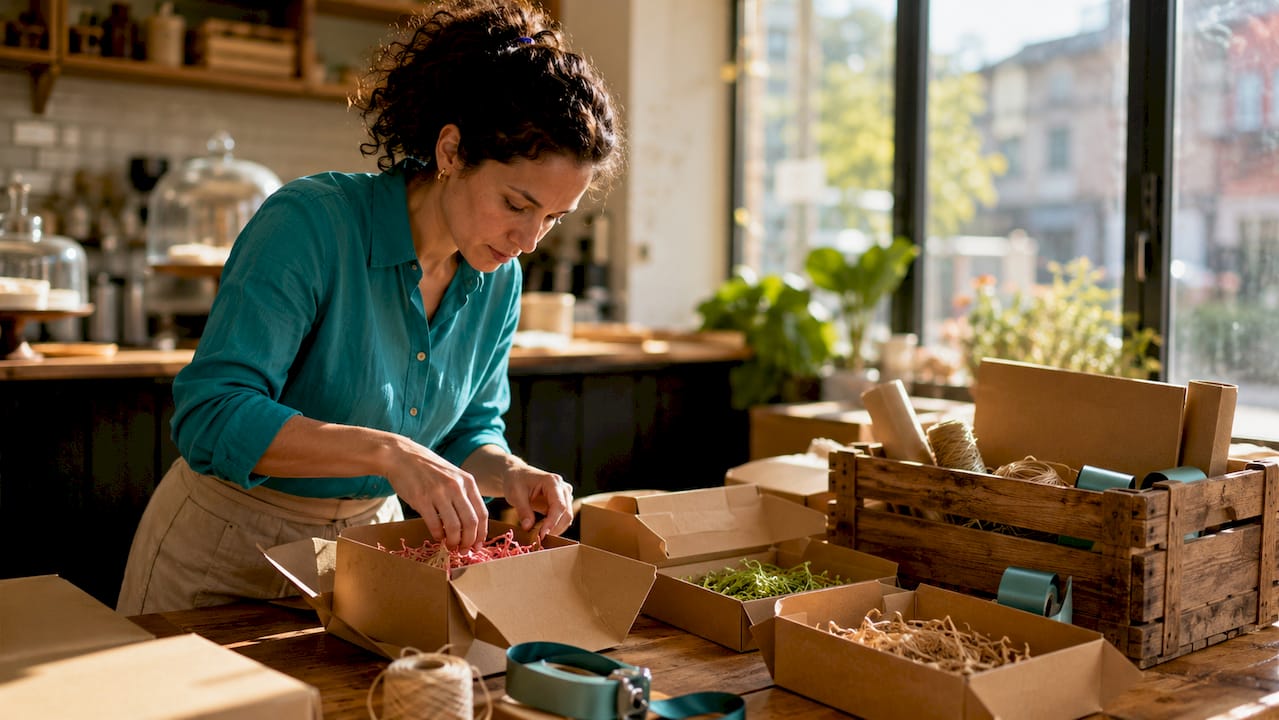
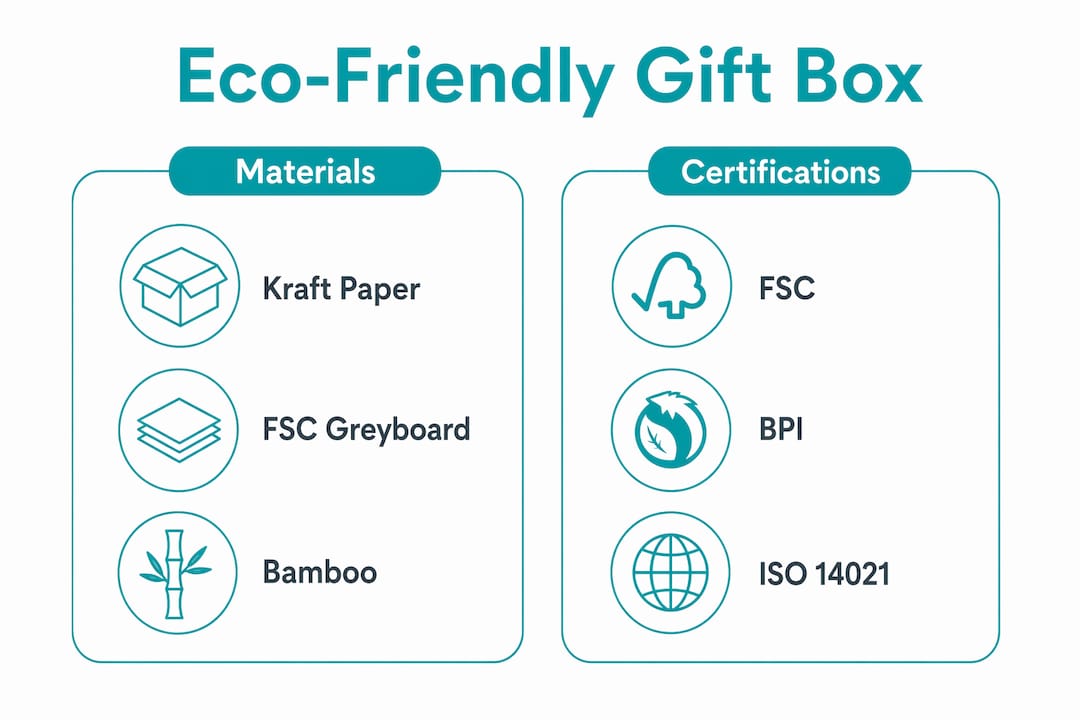
An eco-friendly gift box is packaging designed from sustainably sourced, recyclable, or biodegradable materials that minimise environmental harm across its entire lifecycle. The term covers everything from Kraft paper boxes and FSC-certified greyboard to bamboo-based packaging and mycelium inserts. Certifications like FSC (Forest Stewardship Council) and BPI (Biodegradable Products Institute) separate genuinely green options from vague marketing claims. For individuals and organisations choosing sustainable gift box ideas, understanding what sits behind the label is the first step to making gifting choices that genuinely reflect your values.
What materials and certifications define an eco-friendly gift box?
The materials inside a gift box determine whether it can be recycled, composted, or simply ends up in landfill. Knowing the difference between recycled content and certified sourcing is what separates a truly green gift box from one that merely looks the part.
Core materials worth knowing
Kraft paper is the most accessible starting point. It ranges from 80gsm to 200gsm in thickness and is naturally unbleached, making it one of the most recyclable paper materials available. Kraft paper boxes cost between $0.50 and $2.00 per unit depending on thickness and finish. That affordability makes Kraft the go-to choice for organisations ordering at volume.
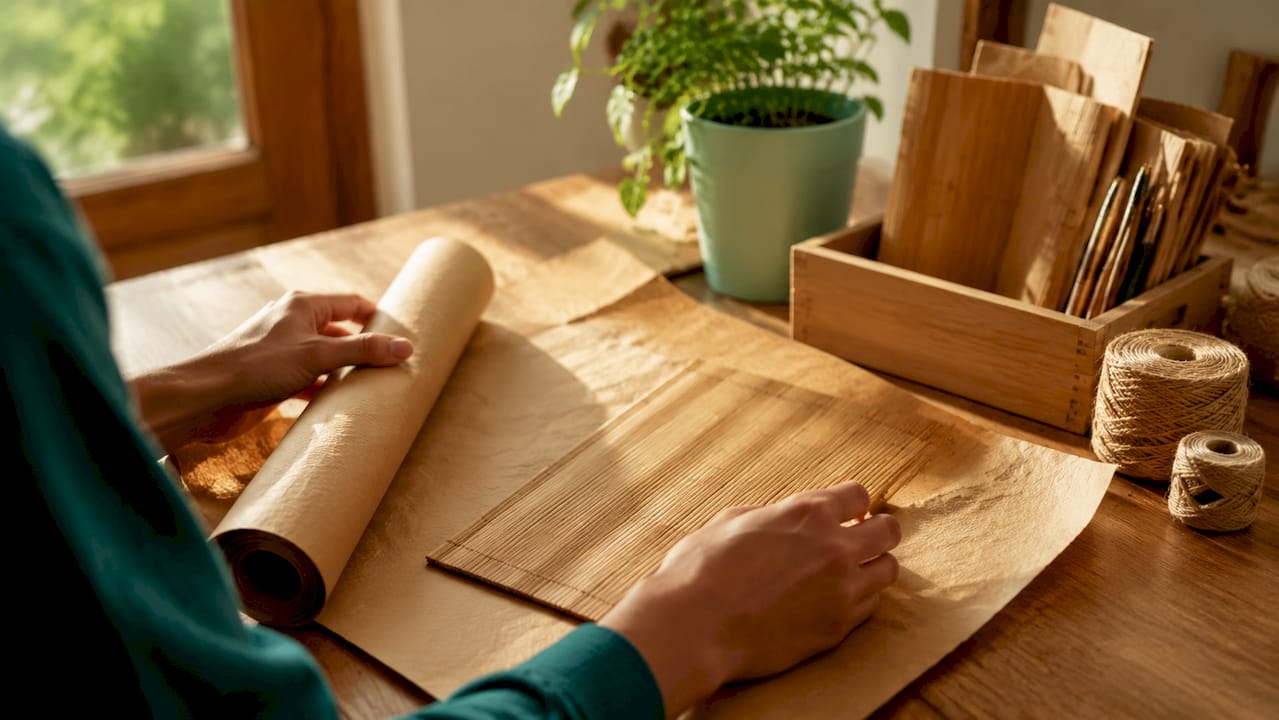
FSC-certified greyboard takes things further. Truly sustainable rigid boxes use FSC-certified greyboard with 70–100% recycled content, water-based inks, and aqueous coatings to remain fully recyclable in standard paper streams. The FSC label means the paper fibre traces back to responsibly managed forests or verified recycled waste. That is a meaningful guarantee, not just a sticker.
Bamboo packaging sits at the premium end. Bamboo grows rapidly without pesticides and is naturally biodegradable, but bamboo-based packaging costs between $2.00 and $5.00 per unit. For corporate gifting programmes where presentation matters as much as sustainability, that premium can be worth it.
Certifications at a glance
Certification | What It Covers | Why It Matters |
FSC | Responsible forest sourcing and recycled waste | Credible chain-of-custody for paper fibre |
BPI | Compostability of packaging materials | Confirms industrial compostability |
ISO 14001 | Manufacturer environmental management | Shows supplier commitment to sustainability |
One critical point: FSC certification guarantees paper sourcing chain-of-custody only. It does not automatically make a box fully sustainable. Printing methods, coatings, logistics, and local recycling infrastructure all contribute to the final environmental footprint.
Pro Tip: Avoid boxes with plastic laminations or petroleum-based inks. Even if the board is FSC-certified, these finishes prevent the box from entering standard paper recycling streams.
How do design choices affect sustainability and function?
Material choice is only half the story. The structural design of a gift box determines whether it can actually be recycled, how much carbon it generates in transit, and whether it protects its contents reliably enough to avoid costly returns.
Sustainable gifting demands treating packaging as a system decision rather than a last-minute addition. That means thinking about material volume, assembly complexity, and end-of-life behaviour from the very beginning of the design process.
Here are the design decisions that carry the most weight:
Choose collapsible over pre-assembled. Collapsible gift boxes reduce freight emissions by up to 80% compared to pre-assembled rigid boxes. Flat-pack shipping is one of the most underused sustainability levers available to organisations ordering in bulk.
Replace plastic inserts with moulded pulp. Moulded pulp inserts made from 100% recycled paper fibre are recyclable, compostable, and provide reliable cushioning for fragile items. Die-cut Kraft cardstock and mycelium-based inserts are equally strong alternatives to EVA foam or plastic blister trays.
Use mono-material construction. A box made entirely from one material type goes straight into the recycling bin without any dismantling. Mixed-material designs, however well-intentioned, create confusion and often end up in general waste.
Audit your closures. Hidden magnets and plastic adhesives prevent recyclability unless the box is manually disassembled before disposal. Ribbon closures, tab locks, and magnet-free structures are cleaner alternatives.
Prioritise structural integrity. Boxes lacking sufficient moisture protection or structural strength can increase carbon footprint through damaged returns. A product that arrives broken and gets returned generates more emissions than a slightly heavier box that protects its contents reliably.
Pro Tip: Honeycomb paper cushioning is an excellent alternative to bubble wrap. It is made from recycled paper, fully recyclable after use, and provides strong protection for most gift items.
What are the best eco-friendly gift box options in practice?
Choosing the right green gift box comes down to balancing cost, presentation, and genuine sustainability credentials. The good news is that the range of options has expanded considerably, and you do not have to sacrifice style for substance.
Here are the most practical options for individuals and organisations:
Magnetic closure recycled paperboard boxes. These offer a premium feel with FSC-certified board and water-based inks. They work well for corporate gifting where first impressions count. Check that the magnet closure is disclosed in end-of-life instructions, as it requires separation before recycling.
Collapsible Kraft boxes. The most cost-effective choice for volume orders. They ship flat, assemble quickly, and are fully recyclable. Kraft’s natural brown aesthetic also communicates sustainability clearly to the recipient.
Reusable tins. Metal tins have a higher upfront carbon cost than paper boxes, but their reuse potential over many years can make them a strong lifecycle choice. They work particularly well as gifts for eco-conscious friends who will genuinely keep and use them.
Compostable tissue paper and natural wood wool. These fillers replace plastic shredded paper and polystyrene peanuts. Wood wool is biodegradable and adds a warm, tactile quality to any gift presentation.
Custom eco-friendly gift boxes. For organisations wanting to build your own gift box with specific sustainability requirements, working with a supplier who can confirm material certifications and end-of-life labelling is worth the extra planning time.
Cost comparison: kraft vs bamboo packaging
Box Type | Approx. Cost Per Unit | Recyclable | Compostable |
Kraft paper box | $0.50–$2.00 | Yes | Yes (uncoated) |
FSC greyboard rigid box | $1.50–$3.50 | Yes | No |
Bamboo packaging | $2.00–$5.00 | Partial | Yes |
Moulded pulp insert | $0.30–$1.00 | Yes | Yes |
Clear end-of-life labelling on every box is not optional. Transparent labelling specifying reuse, composting, or recycling is the single most effective way to avoid greenwashing and meet the expectations of recipients who genuinely care about sustainability.
How do you spot greenwashing in eco-friendly packaging?
Greenwashing is widespread in sustainable packaging. Vague terms like “eco-conscious,” “planet-friendly,” or “green packaging” carry no legal weight and no verifiable standard. Knowing what to look for protects you from making choices that undermine your sustainability commitments.
Ask for certification documentation. FSC certification is a recognised framework for buyers assessing sustainable gift packaging. If a supplier cannot provide a certificate number, the claim is unverified.
Check for plastic components. Laminations, plastic windows, and synthetic ribbon all compromise recyclability. A box described as “recyclable” with a plastic window is only partially recyclable at best.
Look for end-of-life instructions. A credible supplier will tell you exactly how to dispose of the box. If the packaging says nothing about recycling or composting, that silence is telling.
Consider your local recycling infrastructure. A box certified as industrially compostable is only as sustainable as your access to an industrial composting facility. In many parts of the UK, that access is limited. Recyclable in standard paper streams is often the more practical choice.
Evaluate the full supply chain. Full environmental impact depends on printing, coatings, logistics, and recycling infrastructure, not paper sourcing alone. Ask your supplier about their printing methods and transport distances.
Reward transparency. Suppliers who openly share material data sheets, certification numbers, and disposal guidance are the ones worth working with long term. Vague eco language is increasingly distrusted by consumers and procurement teams alike.
Key takeaways
A truly eco-friendly gift box requires certified materials, thoughtful design, and transparent end-of-life labelling working together as a system, not as separate add-ons.
Point | Details |
Certifications matter | FSC and BPI labels confirm sourcing and compostability; vague eco terms do not. |
Design drives recyclability | Mono-material, collapsible designs are easier to recycle and cheaper to ship. |
Inserts count too | Replace foam and plastic trays with moulded pulp or die-cut Kraft cardstock. |
Collapsible boxes cut emissions | Flat-pack shipping can reduce freight emissions by up to 80% versus pre-assembled boxes. |
Transparency builds trust | Clear end-of-life labelling is the most reliable way to avoid greenwashing. |
Why i think we are asking the wrong question about eco packaging
Most conversations about sustainable gift boxes get stuck on materials. Is it Kraft? Is it bamboo? Is it plastic-free? These are reasonable starting points, but in my experience, they miss the bigger picture entirely.
The most impactful decision you can make is treating packaging as a system-level choice, not a product feature. I have seen organisations spend considerable effort sourcing FSC-certified board, only to ship pre-assembled rigid boxes that arrive half-empty with foam inserts inside. The certification on the box meant very little in that context.
What actually moves the needle is dimensional optimisation, simplified assembly, and choosing designs that your recipients can dispose of correctly without reading a manual. A collapsible Kraft box with a clear recycling symbol and no hidden magnets will outperform a beautifully branded bamboo box with a plastic window every single time, from a lifecycle perspective.
The other thing worth saying plainly: functional performance is not the enemy of sustainability. A box that fails to protect its contents and triggers a return generates more carbon than a slightly heavier box that does its job properly. Durability and eco credentials are not in conflict. They are both part of the same responsible decision.
My advice is to shift the question from “is this plastic-free?” to “can my recipient recycle this without thinking about it?” That single reframe tends to lead to much better choices.
— Craig
Thoughtful, sustainable gifting starts here
If you are ready to put these principles into practice, Sayheygifting makes it straightforward. Whether you are organising employee gift boxes for your team or looking for a way to show appreciation with packaging that reflects your values, Sayheygifting offers a range of ready-made and customisable options built with presentation and sustainability in mind.
From collapsible letterbox gifts to corporate gifting solutions designed for organisations of all sizes, every box is chosen with thoughtfulness at its centre. You can also build your own gift box and select contents that align with your team’s values and your organisation’s sustainability commitments. Gifting that feels good and does good is well within reach.
FAQ
What is an eco-friendly gift box?
An eco-friendly gift box is packaging made from sustainably sourced, recyclable, or biodegradable materials such as Kraft paper, FSC-certified greyboard, or bamboo. It is designed to minimise environmental impact across its full lifecycle, from production through to disposal.
Which certifications should i look for in sustainable gift packaging?
FSC certification confirms responsible paper sourcing, while BPI certification confirms industrial compostability. ISO 14001 indicates that the manufacturer operates to recognised environmental management standards.
Are collapsible gift boxes more sustainable than rigid ones?
Yes. Collapsible gift boxes reduce freight emissions by up to 80% compared to pre-assembled rigid boxes because they ship flat and take up significantly less space in transit.
How do i avoid greenwashing when choosing a green gift box?
Ask suppliers for certification documentation, check for hidden plastic components or laminations, and look for clear end-of-life disposal instructions on the packaging itself. Vague terms like “eco-conscious” without supporting evidence are a reliable warning sign.
What are the best eco-friendly fillers for a gift box?
Natural wood wool, compostable tissue paper, honeycomb paper cushioning, and moulded pulp inserts are all strong alternatives to plastic shredded paper or polystyrene peanuts. Moulded pulp inserts made from 100% recycled paper fibre are recyclable and compostable, making them particularly versatile.
Recommended
Comments